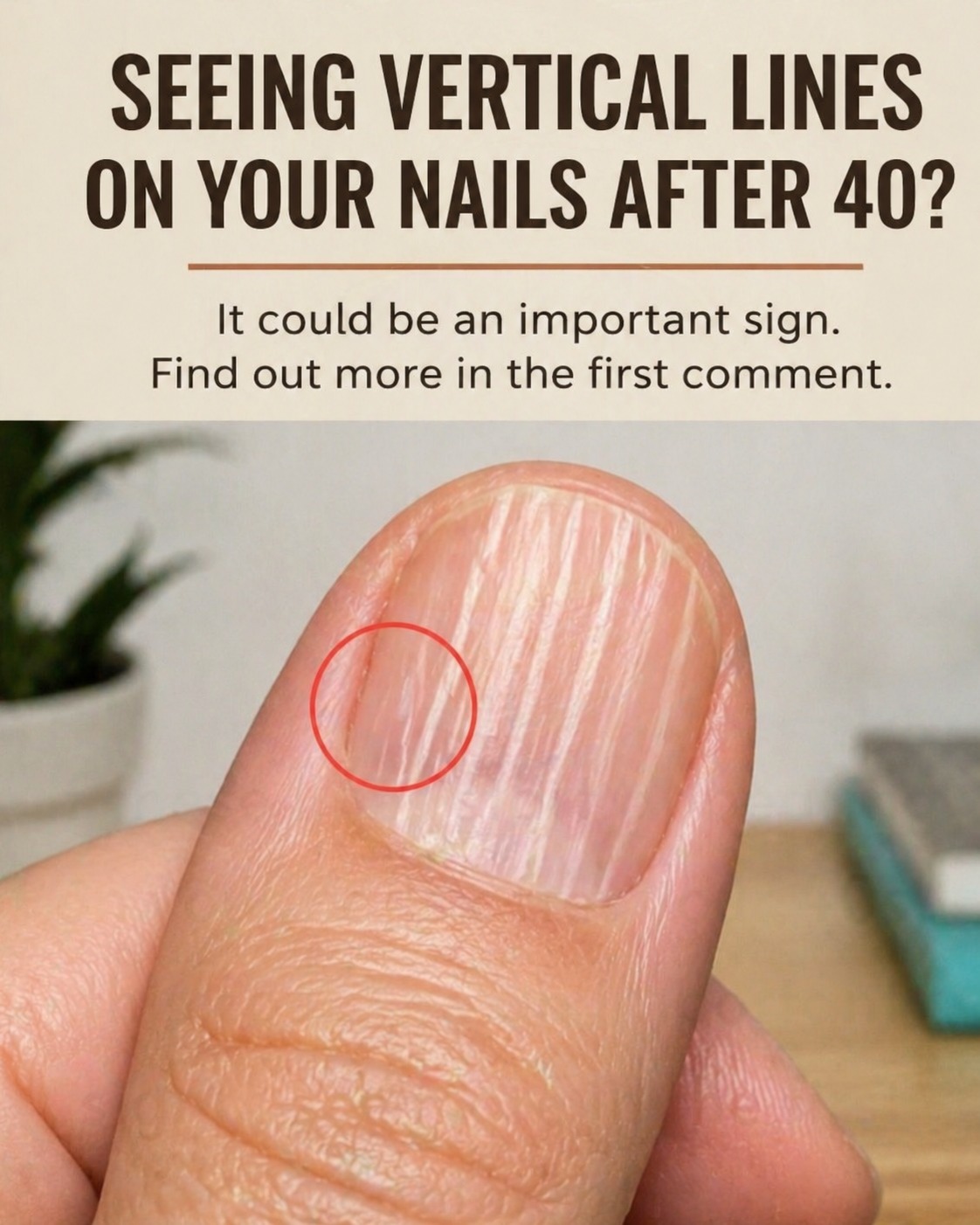
You’ve spotted those subtle vertical lines running the length of your fingernails, and it’s left you pausing in front of the mirror. Hitting your 40s brings all kinds of changes, but when your nails start looking a bit more textured and less smooth, it can feel surprising—and maybe even a little concerning. These ridges often sneak up as part of the natural aging process, similar to how fine lines show up on your skin, but they can sometimes leave you wondering if your body is signaling something else. But stick with me because there’s more to the story than you might expect, and by the end, you’ll know exactly what to watch for plus one simple daily habit that could make a real difference in how your nails look and feel.
What Exactly Are These Vertical Ridges on Nails?
Vertical ridges, also called longitudinal lines, are those faint or noticeable grooves that run from the base of the nail all the way to the tip. They usually appear on multiple fingers at once and feel like tiny raised or indented lines when you run your finger over them. Unlike horizontal ridges (which can sometimes signal other issues), vertical ones are far more common as we age.
Research from the Mayo Clinic confirms that these changes become more prominent with age because of slower cell turnover in the nail matrix—the area where new nail cells are produced.
The #1 Reason Most People See Nail Ridges After 40: Normal Aging
Here’s the thing—vertical ridges are often just your nails doing what skin does: showing the passage of time. As we move into our 40s and beyond, the nail matrix produces cells a little less efficiently. Nails naturally become thinner and drier, making those lines more visible. Cleveland Clinic experts note that this is completely harmless for the vast majority of people and isn’t a sign of illness on its own.
It’s the same reason your skin develops fine lines or your hair might feel a bit more brittle. But that doesn’t mean you have to just accept it without doing anything.
Other Everyday Factors That Can Make Ridges More Noticeable
But aging isn’t the whole picture. Several common lifestyle and health factors can amplify those lines after 40.
According to dermatology sources like Healthline and WebMD, here are the most frequent contributors:
- Reduced moisture and natural oils in the nail plate
- Slower circulation to the fingertips
- Changes in hormone levels (especially around menopause for women)
- Everyday wear and tear from frequent hand washing or harsh chemicals
These factors combine to make nails more prone to ridging as we get older.
Nutrient Gaps That Can Play a Role in Nail Texture
The surprising part is how much your daily diet influences nail strength. Studies show that certain nutrient shortfalls can make vertical ridges more obvious. Key ones include iron, zinc, protein, and B vitamins like folic acid. These nutrients support keratin production—the protein that builds strong nails.
When your body isn’t getting enough, nails can look more ridged, brittle, or even split at the edges. Digestive changes that become more common after 40 can also affect how well you absorb these nutrients.
When Vertical Nail Ridges Might Deserve Extra Attention
And that’s not all. While most ridges are benign, certain patterns do stand out.
Watch for these signs and consider chatting with a dermatologist:
- A single dark brown or black ridge on just one nail (especially if it appeared suddenly)
- Ridges accompanied by cracking, splitting, or extreme brittleness
- Color changes like yellowing, whitening, or unusual discoloration
- Ridges that worsen quickly or appear after a major health event
In rare cases, a single dark vertical line can relate to skin changes under the nail, which is why professionals recommend checking it out promptly.
Simple Habits to Support Stronger, Smoother Nails After 40
The good news? You don’t need fancy treatments to help your nails look and feel better. Small, consistent changes can support nail health naturally.
Here’s a practical daily routine you can start today:
- Stay hydrated inside and out – Drink plenty of water and apply a simple nail oil or hand cream with shea butter or jojoba after every hand wash.
- Eat for nail strength – Include iron-rich foods (leafy greens, lean meats, lentils), zinc sources (nuts, seeds, seafood), and protein at every meal.
- Protect your hands – Wear gloves for chores involving water or chemicals, and avoid picking or biting nails.
- Gentle filing only – Use a soft emery board in one direction instead of aggressive buffing that can weaken nails further.
- Consider a biotin-rich supplement if your diet falls short—but always check with your doctor first.
These steps won’t erase ridges completely (because aging is natural), but they can minimize their appearance and prevent additional damage.
Lifestyle Tweaks That Make a Visible Difference
But wait—there’s more you can do beyond the basics. Getting quality sleep supports cell repair, including in your nails. Managing stress through short walks or breathing exercises helps circulation too. And if you notice dry skin or eczema on your hands, treating that can indirectly improve nail texture.
Many people report seeing smoother-looking nails within weeks of these simple adjustments.
Wrapping It Up: What Vertical Ridges Really Mean for You
Vertical ridges on nails after 40 are usually just a normal part of aging—like laugh lines or a few gray hairs. They rarely signal a serious issue on their own. By understanding the common causes and adding a few supportive habits, you can feel more confident about your hands and keep your nails looking their best.
Pay attention to any sudden or unusual changes, and remember that your overall health shows up in many ways—including your nails.
FAQ: Your Most Common Questions About Nail Ridges Answered
Are vertical ridges on nails always harmless?
In the vast majority of cases after age 40, yes—they’re a common sign of natural aging and cell turnover changes. Only unusual patterns or sudden dark lines need professional evaluation.
Can diet really help reduce the look of nail ridges?
Yes, supporting your body with balanced nutrition—especially iron, zinc, protein, and hydration—can improve nail strength and texture over time, even if it doesn’t eliminate ridges completely.
When should I see a doctor about ridges on my nails?
Schedule a visit if you notice a single dark stripe, rapid worsening, color changes, or ridges on only one nail. A dermatologist can quickly rule out anything that needs attention.
Important Disclaimer
This article is for informational purposes only and is not intended as medical advice, diagnosis, or treatment. Nail changes can sometimes reflect broader health considerations, so always consult a qualified healthcare professional for personalized guidance.