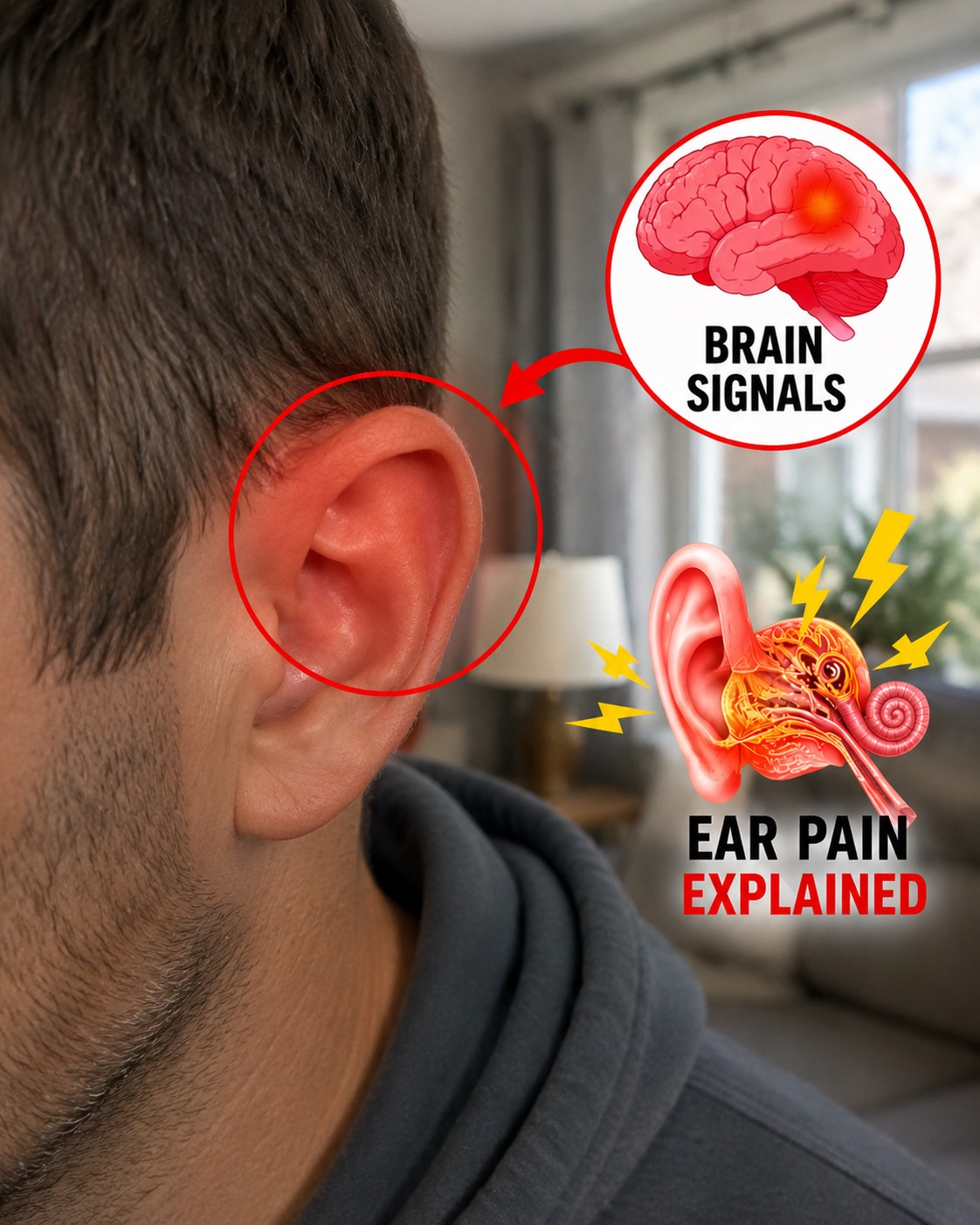
That constant ringing, buzzing, or high-pitched tone in your ears can sneak up on you and suddenly become impossible to ignore. It might start as a faint background noise but quickly turns into something that steals your focus during meetings, keeps you awake at night, and makes everyday conversations feel exhausting. The frustration builds fast when you realize it’s affecting your mood, your productivity, and even your relationships with family and friends. But what if learning about the common connections behind this experience could help you feel more in control—and there’s one everyday factor many people overlook that we’ll share toward the end of this guide.
What Exactly Is Tinnitus?
Tinnitus is the medical term for hearing sounds like ringing, buzzing, hissing, or roaring when no outside noise is actually present. It’s not a disease on its own but rather a symptom that something else may be happening in your auditory system or body. Millions of adults experience it at some point, and for many it comes and goes while for others it sticks around longer. The good news is that understanding possible triggers helps you make informed daily choices.
Research shared by organizations like the Mayo Clinic and the National Institute on Deafness and Other Communication Disorders (NIDCD) shows tinnitus often ties back to changes in how your inner ear or brain processes sound signals.
The Most Common Underlying Issues Linked to Tinnitus
But here’s where it gets clearer. Tinnitus frequently shows up alongside certain health situations rather than appearing completely on its own. Studies suggest the brain sometimes creates these phantom sounds when the usual hearing pathways are affected.
Here are some of the most frequently discussed connections:
- Hearing changes or inner-ear nerve involvement – Tiny hair cells in the cochlea can become damaged over time, sending irregular signals that the brain interprets as sound.
- Inner-ear conditions such as Meniere’s disease or balance-related issues – These may bring along dizziness or a feeling of fullness in the ear.
- Ear-related problems – Things like fluid buildup from infections, excess earwax, or changes in the middle ear structures.
- Circulatory or blood-flow factors – High blood pressure or other vascular changes can sometimes make the pulsing or ringing more noticeable.
- Stress and anxiety – Emotional tension doesn’t cause tinnitus but often makes the perception of it feel much stronger.
- Rare growths on the hearing nerve – Such as acoustic neuroma, usually affecting just one side.
Knowing these links doesn’t mean panic—it simply means paying closer attention to your body’s signals.
When Should You Talk to a Healthcare Professional?
Here’s the part you really don’t want to skip. Most cases of tinnitus are not emergencies, but certain patterns deserve prompt attention from a doctor or audiologist.
Pay attention if the ringing:
- Lasts longer than a couple of days and starts interfering with daily life
- Happens in only one ear
- Comes with sudden hearing changes, dizziness, pain, or a feeling of spinning
- Feels like it pulses in time with your heartbeat
Experts at Cleveland Clinic and other leading centers recommend getting checked right away in these situations because early evaluation can rule out or address any contributing factors.
Everyday Habits That May Help You Live More Comfortably With Tinnitus
What’s even more encouraging is that small, consistent choices can make a real difference in how noticeable the sounds feel. You don’t need dramatic changes—just steady, practical steps that support your overall hearing health and well-being.
Try incorporating these actionable strategies into your routine:
- Protect your ears from loud noise – Use earplugs or noise-canceling headphones at concerts, while mowing the lawn, or in noisy work environments. Even a few minutes of unprotected exposure can add up over time.
- Manage daily stress levels – Simple breathing exercises, short walks, or mindfulness apps can calm the nervous system and often reduce how intensely you perceive the ringing.
- Create background sound – Soft music, nature sounds, or a white-noise machine can help mask the tinnitus, especially during quiet times or when trying to fall asleep.
- Watch your caffeine, alcohol, and nicotine intake – Many people notice the sounds become more prominent after consuming these, so experimenting with moderation can be revealing.
- Stay active and prioritize sleep – Regular movement supports healthy blood flow, while a consistent bedtime routine helps your brain and body rest better despite the noise.
But that’s not all. Some research also points to the benefits of a balanced diet rich in antioxidants and nutrients that support circulation and nerve health. Foods like leafy greens, fatty fish, nuts, and berries are popular choices people explore because they promote general wellness.
One Surprising Factor Many People Overlook
Here’s the part we promised earlier—the one that surprises a lot of readers. Your brain’s natural habit of focusing on new or unusual sounds can actually amplify tinnitus over time. The more you try to fight or ignore it, the louder it can seem. Shifting your attention through sound enrichment and relaxation techniques often helps the brain tune it out more effectively. That simple mindset shift has helped countless people regain a sense of calm.
Putting It All Together
Living with tinnitus doesn’t have to mean constant frustration. By learning the common connections, knowing when to seek professional input, and building a few supportive daily habits, many people report feeling more at ease and in control. The key is consistency and patience—small steps really do add up.
Start today with just one or two changes from the list above and notice how your days feel different. Your hearing health matters, and taking informed action is one of the best gifts you can give yourself.
Frequently Asked Questions
1. Can tinnitus disappear without any intervention?
In some cases, especially when linked to temporary factors like earwax or a short illness, the sounds may fade on their own. Persistent tinnitus, however, usually benefits from professional evaluation and lifestyle adjustments.
2. Is ringing in only one ear more concerning?
Yes—unilateral tinnitus can sometimes point to issues that need closer medical attention, such as problems specific to that ear or nerve. It’s always wise to have it checked promptly.
3. Does stress really make tinnitus worse?
Absolutely. Stress and anxiety heighten your awareness of the sounds, creating a cycle that feels louder. Relaxation techniques often break that cycle and bring noticeable relief.
Disclaimer
This article is for informational purposes only and is not intended as medical advice, diagnosis, or treatment. Always consult a qualified healthcare professional for personalized guidance regarding your symptoms.