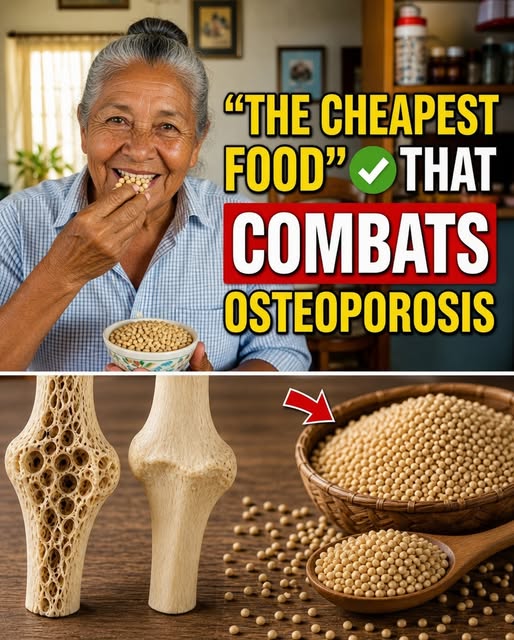
The Cheapest Food for Bone Health After 60: Why Sardines May Support Osteoporosis Prevention
As people get older—especially after the age of 60—bone health becomes a major concern. One of the most common conditions is osteoporosis, where bones gradually lose density and become more fragile over time. This increases the risk of fractures, pain, and mobility issues.
While calcium supplements and fortified dairy products are often recommended, there is a surprisingly affordable and highly nutritious food that is frequently overlooked: canned sardines.

Why Bone Health Declines After 60
Bone density naturally decreases with age due to several factors:
- Reduced calcium absorption
- Lower vitamin D levels
- Hormonal changes (especially after menopause)
- Less physical activity
- Nutritional deficiencies over time
Calcium alone is not enough. The body also needs vitamin D and other nutrients to properly absorb and use calcium effectively.
Sardines: A Budget-Friendly Nutritional Powerhouse
Sardines are one of the most nutrient-dense and affordable foods available in most supermarkets. Despite their simple appearance, they provide key nutrients that support bone health.
Key nutrients in sardines:
- Calcium (especially from edible soft bones)
- Vitamin D (helps calcium absorption)
- Omega-3 fatty acids (support inflammation balance)
- Protein (supports muscle and bone structure)
- Phosphorus and magnesium (important for bone strength)
What makes sardines unique is that they naturally combine calcium + vitamin D, a combination many supplements try to replicate.
Why Vitamin D Matters for Bones
Vitamin D plays a crucial role in bone health because it:
- Helps the intestines absorb calcium
- Supports bone mineralization
- Reduces calcium loss from the body
Without enough vitamin D, even a calcium-rich diet may not be fully effective.
Are Canned Sardines Healthy?
Yes—when consumed properly. However, there are a few things to consider:
- Some canned sardines can be high in sodium
- Oil-packed versions may feel heavy for some people
- Quality varies depending on brand
To make them healthier, choose:
- Sardines in water or olive oil
- Low-sodium options when available
- Fresh or lightly cooked recipes instead of eating directly from the can every day
Simple & Healthy Ways to Eat Sardines
Instead of eating them straight from the can, here are two easy and delicious ideas:
1. Sardine Lemon Salad (Light & Fresh)
Ingredients:
- 1 can sardines
- Fresh lettuce or spinach
- Tomato slices
- Olive oil
- Lemon juice
- A pinch of pepper
How to prepare:
- Drain sardines lightly
- Place them on a bed of greens
- Add tomatoes and olive oil
- Squeeze fresh lemon juice on top
This version is light, refreshing, and easy to digest.
2. Sardine Toast with Garlic & Herbs
Ingredients:
- Whole grain bread
- Sardines (mashed lightly)
- Garlic (optional)
- Olive oil
- Parsley or herbs
How to prepare:
- Toast the bread
- Mash sardines with a fork
- Spread on toast
- Add olive oil and herbs
This makes a quick, nutrient-rich meal perfect for breakfast or dinner.
Final Thoughts
Sardines may not be glamorous, but they are one of the most affordable and nutrient-rich foods for supporting bone health after 60. Their combination of calcium, vitamin D, and healthy fats makes them a smart dietary choice for maintaining bone strength as part of a balanced lifestyle.
However, no single food can “cure” osteoporosis. The best results come from a combination of:
- A varied nutrient-rich diet
- Regular weight-bearing exercise
- Adequate sunlight exposure
- Medical guidance when needed
Sometimes, the simplest and cheapest foods are the ones that bring the most long-term benefits.