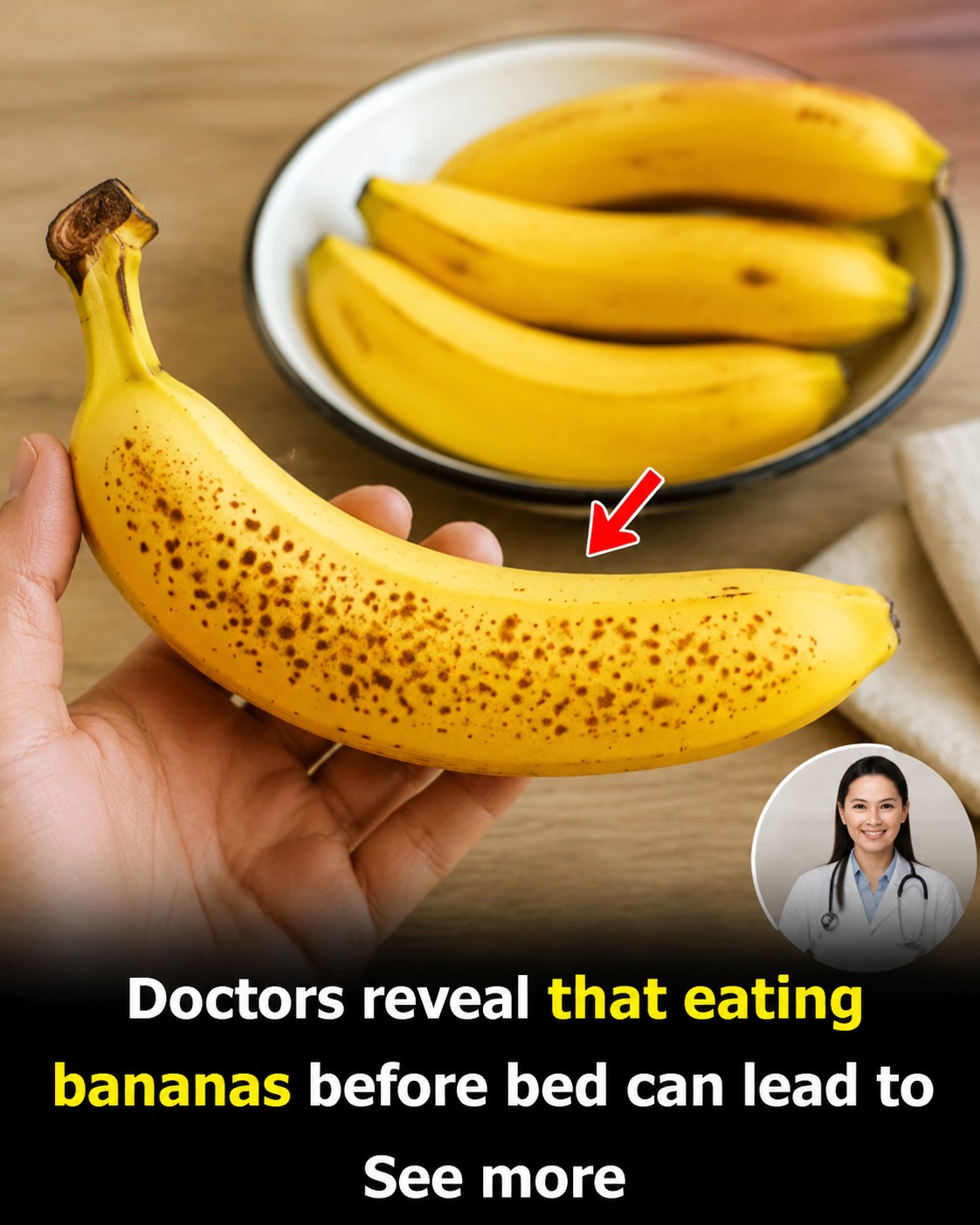
Tossing and turning in bed for what feels like hours, only to drag yourself through the next day feeling exhausted and foggy. It’s a frustrating cycle that millions face every night, quietly draining your energy, wrecking your mood, and making even simple tasks feel overwhelming. While reaching for sleeping pills might seem like the quick fix, many people are searching for gentler, natural ways to finally get the rest they crave. One surprisingly popular suggestion is enjoying a banana right before bedtime — and the science behind it is more interesting than you might expect. But here’s the real question: does this everyday fruit actually help you sleep better, or is it just another wellness myth? Stick around, because we’re diving deep into exactly what happens to your body when you eat a banana before bed — and the answer might just change your nightly routine.
Why Bananas Before Bed Are Gaining So Much Attention
You’ve probably heard the bedtime snack advice before, but bananas keep coming up for a reason. They’re convenient, affordable, and packed with nutrients that directly support the body’s natural wind-down process. Unlike heavy or sugary snacks that can leave you feeling bloated or wired, a banana offers a gentle combination of minerals, amino acids, and carbs that research links to better relaxation and sleep quality. But that’s not all — the way these nutrients work together creates a subtle yet powerful effect that many people notice after just a few nights.
The Sleep-Supporting Nutrients Hiding in Every Banana
Here’s where it gets interesting. A single medium banana isn’t just sweet and tasty — it delivers a unique mix of compounds that target the exact systems involved in falling and staying asleep.
- Magnesium: This mineral acts as a natural muscle relaxant and nervous system calmer. One medium banana provides about 32–34 mg, helping ease physical tension that often keeps you awake.
- Potassium: Known for regulating muscle function and blood pressure, potassium helps prevent those annoying nighttime leg cramps that can jolt you out of sleep.
- Tryptophan: An amino acid your body uses to produce serotonin and, eventually, melatonin — the hormone that signals it’s time to rest.
- Vitamin B6: This vitamin helps convert tryptophan into usable serotonin and melatonin, making the process more efficient.
- Carbohydrates and fiber: The natural sugars and fiber in bananas provide a small, steady energy release while helping tryptophan cross into the brain more easily. Plus, the fiber keeps you feeling satisfied so hunger doesn’t wake you later.
Studies have shown that diets rich in magnesium, potassium, and tryptophan are associated with longer, more restful sleep and fewer nighttime awakenings. One small clinical trial even found that older adults who added bananas to their routine experienced fewer sleep disturbances over two weeks.
What Really Happens to Your Body When You Eat a Banana Before Bed
But here’s the part most people don’t realize. Eating a banana 30–60 minutes before lights out triggers several gentle changes that work together for better rest.
First, your muscles start to relax. The combination of magnesium and potassium helps release built-up tension from the day, so you’re less likely to feel restless or cramped in bed. Many people report waking up fewer times during the night because of this simple effect.
Next comes the mood and hormone support. Tryptophan and vitamin B6 work behind the scenes to boost serotonin levels, which naturally transitions into melatonin production as the room darkens. The small amount of carbs in the banana helps this process by encouraging insulin release, which clears competing amino acids from the bloodstream and lets tryptophan reach your brain more effectively.
The good news doesn’t stop there. The fiber in bananas can promote gentle digestion and keep blood sugar relatively stable overnight for most people, reducing the chance of waking up hungry or uncomfortable. Over time, some individuals notice they fall asleep faster and wake up feeling more refreshed — not because the banana is a miracle cure, but because it quietly supports the body’s own sleep mechanisms.
Potential Drawbacks: When a Banana Might Not Be the Best Choice
Of course, no food is perfect for everyone. While bananas are generally well-tolerated before bed, a few considerations are worth noting.
For people with blood sugar concerns or diabetes, the natural sugars in bananas (especially very ripe ones) can cause a mild spike followed by a drop, which might briefly disrupt sleep for highly sensitive individuals. Choosing a slightly under-ripe banana or pairing it with a source of healthy fat or protein can help smooth this out.
Others with sensitive digestion might notice mild bloating if they eat too close to lying down, though this is rare with bananas compared to heavier snacks. And if you’re managing your weight, keep in mind that one banana adds about 100 calories — still a smart, low-calorie choice compared to most processed bedtime snacks.
The bottom line? For the vast majority of healthy adults, the benefits far outweigh any minor downsides. But listen to your body — what works wonderfully for one person might need slight tweaking for another.
5 Simple Ways a Banana Before Bed Can Support Better Rest
Here’s a quick breakdown of the most common benefits people experience:
- Faster time to fall asleep thanks to muscle relaxation and melatonin support
- Fewer nighttime leg cramps or muscle twitches
- More stable overnight energy without hunger interruptions
- Gentler digestion that doesn’t disturb your rest
- A subtle mood lift that makes it easier to unwind mentally
Actionable Tips: How to Make the Most of This Bedtime Habit
Ready to try it yourself? Follow these straightforward steps for the best results:
- Choose the right banana — A medium, slightly under-ripe banana offers a good balance of nutrients and fiber without excessive sugar.
- Time it right — Eat it 30 to 60 minutes before you plan to sleep so your body has time to process the nutrients.
- Pair it smartly — For extra staying power, add a small spoonful of almond butter or a handful of walnuts. The healthy fat and protein help slow digestion and further support tryptophan uptake.
- Keep it simple — One banana is usually enough. Eating two or more could leave you feeling too full.
- Make it a routine — Consistency matters. Try it for at least two weeks and note how your sleep feels. Combine it with a calming bedtime ritual like dim lights or reading to amplify the effects.
Many people also enjoy a small glass of warm milk with their banana — a combination some studies have explored for its potential to improve sleep parameters even further.
Other Bedtime Snacks Compared
| Snack | Calories | Sleep Nutrients | Potential Drawback | Best For |
|---|---|---|---|---|
| Banana | ~100 | Magnesium, potassium, tryptophan | Mild sugar for some | Most people |
| Banana + almond butter | ~190 | Added healthy fats & protein | Slightly higher calories | Blood sugar stability |
| Greek yogurt | ~150 | Protein & some tryptophan | Can feel heavy | Protein lovers |
| Handful of almonds | ~160 | Magnesium & melatonin | Higher fat/calories | Nut fans |
| Tart cherry juice | ~140 | Natural melatonin | Higher sugar | Quick melatonin boost |
The Bottom Line: A Simple Nighttime Ritual Worth Trying
Eating a banana before bed won’t magically solve chronic insomnia, but it can be a gentle, evidence-backed addition to your sleep toolkit. The nutrients work together to relax your body, support natural hormone production, and help you wake up feeling more rested. For something so easy and inexpensive, it’s worth giving a try — especially if you’ve been searching for a natural way to improve your nights without complicated changes.
Start tonight with one banana and see how you feel tomorrow. Your body just might thank you with deeper, more satisfying sleep.
Frequently Asked Questions
How long before bed should I eat a banana?
Most experts recommend 30 to 60 minutes before you plan to sleep. This gives your body time to absorb the nutrients without feeling too full when you lie down.
Can eating a banana before bed help with weight management?
Yes, for many people. It’s a low-calorie, satisfying snack that can curb late-night cravings and support better sleep — both of which indirectly help with healthy weight goals.
Are there any people who should avoid bananas at night?
Those with severe blood sugar issues or banana allergies should check with their doctor first. Most others can enjoy this habit safely, but always pay attention to how your own body responds.
Disclaimer: This article is for informational purposes only and is not intended as medical advice. Individual results may vary. If you have ongoing sleep problems or health conditions, please consult a qualified healthcare professional for personalized guidance.