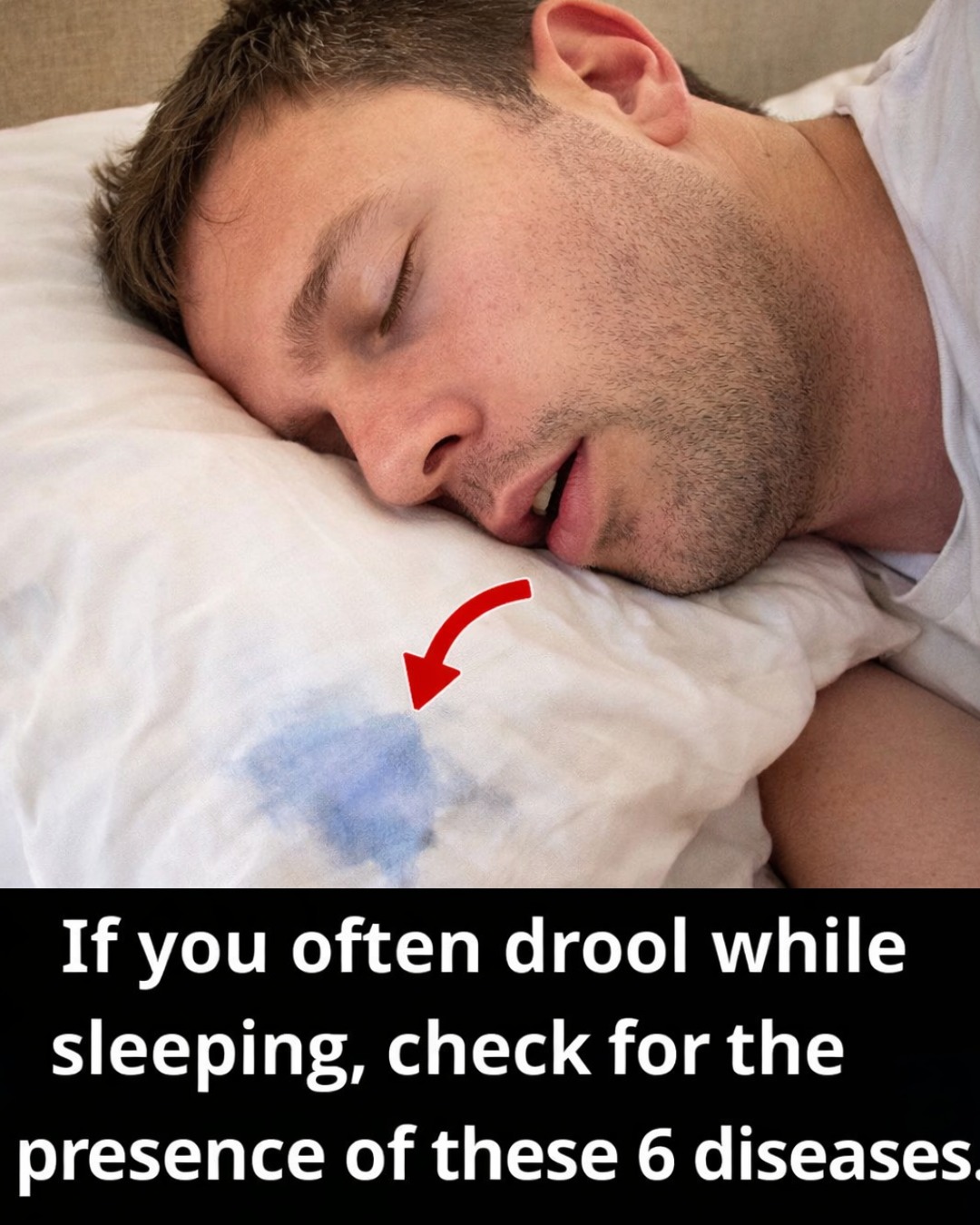
You wake up to that familiar cool, sticky dampness against your cheek, your pillow soaked again and another night of restless sleep behind you, leaving you feeling tired, embarrassed, and a little frustrated as the years add up. This nighttime drooling can quietly chip away at your confidence and energy levels, making mornings feel heavier than they should. But what if this common experience is simply your body sending a gentle signal about everyday factors worth exploring? Stick around because we’re about to share some eye-opening connections and simple steps that could help you wake up feeling fresher and more in control.
The Everyday Reality of Nighttime Drooling After 40
Turning 40 often brings subtle shifts in sleep that many people brush off as “just aging.” Yet surveys show millions of adults notice more saliva pooling at night, leading to those telltale wet spots and sour tastes in the morning. It’s not only awkward—it can leave your skin chapped and your rest interrupted.
But here’s the thing: it’s rarely random. Your body produces saliva all day to protect your mouth, and at night things can tip out of balance when swallowing slows or breathing changes.
You’ve probably tried flipping the pillow or cutting back on evening drinks. Those quick fixes treat the surface, not the root.
The revelations start right here.
What Really Happens When Drooling Increases at Night
Nighttime drooling, or sialorrhea, occurs when saliva production ramps up or your swallowing reflex relaxes during sleep. Open-mouth breathing or relaxed jaw muscles often play a role, especially in deeper sleep stages.
Research shows this pattern affects 10–20 percent of adults regularly, and studies link it to several everyday factors rather than one single cause.
Self-check time: How clear is your nasal breathing when you lie down? That single clue can point to bigger patterns.
Picture this: You’re 48, juggling work and family, yet every morning brings the same damp reminder.
But what if addressing the triggers early could shift everything?
You’re already in the top readers who keep going—great choice.
Condition #1: Sleep Apnea and the Open-Mouth Breathing Connection
When breathing pauses briefly during sleep, your mouth often stays open and saliva escapes more easily. Many people don’t realize how common this is.
One 55-year-old driver shared how gasping nights and soaked pillows left him drained until he explored options with his doctor. Simple adjustments brought noticeable changes in energy and dryness.
Studies indicate that 50–70 percent of people with sleep apnea notice increased drooling, and addressing the breathing pattern often helps reduce it significantly.
Rate your daytime tiredness on a scale of 1–10. A number above six could be a helpful clue worth mentioning to your healthcare provider.
You’ve picked up five key insights already—keep going.
Condition #2: Acid Reflux and the Protective Saliva Surge
When stomach acid creeps up at night, your body may produce extra saliva to soothe the irritation, yet it can overflow if you’re lying flat.
A 49-year-old teacher described how the sour taste and damp pillow disrupted her rest until she adjusted her routine. Small timing changes around meals made a real difference.
Research notes that up to 60 percent of people with reflux report this saliva response, and lifestyle tweaks are frequently recommended first.
Bonus tip: Try keeping your last meal at least three hours before bed—many find it eases the overnight flow.
Next up might surprise you.
Condition #3: Allergies or Sinus Congestion Forcing Mouth Breathing
Stuffed sinuses push you to breathe through your mouth, letting saliva escape while you sleep. Seasonal changes or indoor dust can quietly trigger this cycle.
A quick saline rinse before bed is a simple step many use to open airways naturally.
Condition #4: Dental or Jaw Alignment Issues
Poor tooth alignment, new dentures, or even grinding can prevent your lips from sealing comfortably overnight. The result? More drooling than you’d expect.
A 55-year-old accountant noticed improvement after a dental check adjusted his bite. Comfortable mornings returned faster than he anticipated.
Research suggests bite problems affect closure in about 30 percent of similar cases.
Mid-Article Check-In: How’s Your Pillow Situation?
Quick mental note: On a scale of 1–10, how often do you notice dampness now compared to when you started reading?
The Remaining Four Triggers Worth Knowing
Here’s a clear list of additional factors often linked to nighttime drooling:
- Neurological changes that affect muscle control and swallowing
- Mouth or throat infections that temporarily increase saliva production
- Certain medications that list increased salivation as a side effect
- Stress or hormonal shifts that can stimulate saliva glands overnight
Studies consistently show early awareness of these patterns helps many people take informed next steps with their doctor.
Practical Steps You Can Try Tonight
Ready for actionable ideas that fit real life? Here are four gentle habits to explore:
- Elevate the head of your bed by 6–8 inches with a wedge pillow to reduce reflux flow
- Use over-the-counter nasal strips or a quick saline rinse to encourage nose breathing
- Review your current medications with your healthcare provider to spot any possible links
- Add a few gut-friendly foods like plain yogurt or fermented vegetables to your evening meal
Track what you try for just seven nights and note any patterns—most people see small improvements within a couple of weeks.
Timeline of What Often Happens When You Pay Attention
| Week | If You Keep Ignoring It | With Simple Daily Adjustments |
|---|---|---|
| 1–4 | Symptoms may linger | First signs of drier mornings |
| 4–8 | Fatigue can build | More consistent dry nights |
| 8–12 | Other issues may appear | Greater overall sleep comfort |
| 12+ | Patterns become chronic | Sustained refreshed feeling |
Comparison of Common Triggers
| Trigger | How Common | How Quickly It Can Improve | Action Level Suggested |
|---|---|---|---|
| Sleep Apnea / Reflux | High | Often within weeks | High |
| Allergies / Dental | Common | Days to weeks | Medium |
| Neurological / Gut | Variable | With early check | Very High |
| Medications / Stress | Temporary | After discussion | Medium |
Your Simple Action Plan for Drier, More Restful Mornings
Start with just one change tonight—maybe the head elevation or saline rinse. Share this guide with anyone who mentions their own wet-pillow mornings; they’ll appreciate the heads-up.
Small consistent steps often lead to the biggest shifts in how you feel each day. Your body is already communicating—listening early usually pays off.
Frequently Asked Questions
Is nighttime drooling always a sign of something serious?
Not at all. Many times it connects to everyday factors like sleep position or congestion, but persistent cases are worth discussing with your doctor for peace of mind.
Can changing my sleep position really make a difference?
Yes, side-sleeping with proper pillow support and slight head elevation helps many people reduce mouth breathing and excess saliva overnight.
When should I talk to a healthcare professional about this?
If the drooling happens most nights, comes with snoring, heartburn, fatigue, or other changes, it’s smart to bring it up at your next check-up.
The bottom line? Nighttime drooling is often your body’s quiet nudge rather than a crisis. Paying attention early, exploring simple habits, and checking in with your doctor when needed can help you wake up drier and more energized.
This article is for informational purposes only and does not replace professional medical advice. Consult your healthcare provider for personalized guidance, especially if drooling persists or accompanies other symptoms.