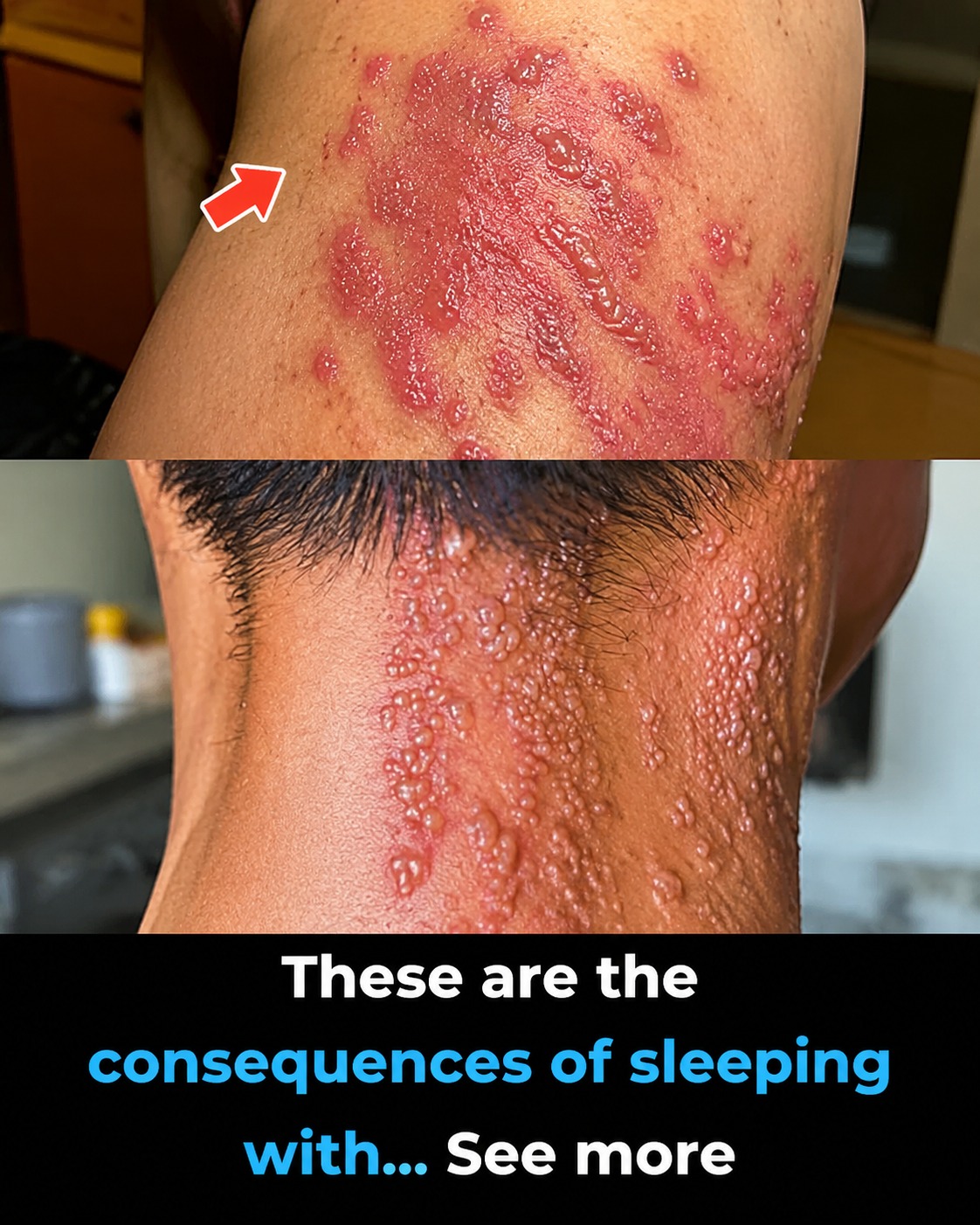
You probably never think twice about it in the heat of the moment, but that one intimate encounter can quietly introduce a virus that stays with you far longer than you expect. What feels like a harmless connection today can lead to uncomfortable symptoms, ongoing health monitoring, and in rare cases, more serious complications years down the line. The anxiety, regret, and uncertainty that follow can affect your confidence and relationships in ways you never imagined. Yet the good news is that knowledge and simple preventive steps can dramatically change the outcome—and there’s one powerful tool that most people overlook until it’s too late.
What Exactly Is HPV and Why Is It So Common?
Human Papillomavirus (HPV) is a group of more than 200 related viruses that spread primarily through skin-to-skin contact during intimate activity. According to the Centers for Disease Control and Prevention (CDC), it is the most common sexually transmitted infection in the United States, with millions of new infections each year.
But here’s what makes it especially tricky: most people who have HPV never develop symptoms and never know they’re carrying it. This silent nature means you or your partner could unknowingly pass it along during what seems like a perfectly normal encounter.
How HPV Spreads During Intimate Moments
HPV transmits through direct skin-to-skin genital contact, not just through fluids like some other infections. That’s why condoms reduce risk but don’t eliminate it completely— the virus can live on areas of skin not covered by protection.
Research shows nearly all sexually active adults will encounter at least one type of HPV at some point. Factors that raise your chances include having multiple partners, not being vaccinated, or having a weakened immune system from stress, smoking, or other health issues.
But that’s not all. Men are often left out of the conversation, even though they can both transmit the virus and face significant health effects.
The Physical Consequences Most People Never See Coming
If the infection doesn’t clear on its own (which happens in about 90% of cases within two years), it can create very real problems.
Visible Signs: Genital Warts and Skin Changes
Low-risk HPV types often cause genital warts—small, flesh-colored bumps or cauliflower-like clusters in the genital or anal area. They may itch or feel uncomfortable, though they’re usually painless. While treatable, these warts can recur and affect self-esteem, especially when they appear unexpectedly.
The Longer-Term Risks: Cancer Links Backed by Science
High-risk HPV strains are linked to several cancers. Studies from major health organizations show they play a role in:
- Oropharyngeal cancers (throat, tongue base, tonsils)—the most common HPV-related cancer in men
- Anal cancer
- Penile cancer (less common but serious)
Health experts estimate HPV causes roughly 36,000 cancer cases each year in the U.S. Persistent infection over many years is the key factor, which is why early awareness matters so much.
Here’s a quick comparison of common outcomes:
- Low-risk HPV → Genital warts (treatable, usually not cancerous)
- High-risk HPV → No immediate symptoms but possible cancer risk if it lingers
- Most cases overall → Clears naturally within 1–2 years with a healthy immune system
The Emotional Side No One Talks About
Beyond the physical effects, an HPV diagnosis can bring waves of anxiety, shame, or guilt. The stigma around sexually transmitted infections often leaves people feeling isolated or worried about telling future partners. Yet the truth is HPV is incredibly common and does not define anyone’s worth or character. Open conversations and support make a huge difference in handling the emotional weight.
But wait—there’s more good news ahead.
Actionable Steps You Can Take Right Now to Protect Yourself
You don’t have to live in fear. Here are practical, doctor-recommended ways to lower your risk and manage exposure:
- Get vaccinated — The HPV vaccine (Gardasil) protects against the strains responsible for most warts and cancers. It’s most effective before exposure but offers benefits for adults up to age 45. Talk to your healthcare provider about whether it’s right for you.
- Practice safer intimacy habits — Use condoms consistently, consider dental dams when appropriate, and have honest conversations about sexual health before getting intimate.
- Support your immune system daily — A strong immune system helps clear the virus faster. Focus on nutrient-rich foods, regular exercise, quality sleep, stress management, and avoiding smoking.
- Stay proactive with checkups — Pay attention to any unusual bumps, sores, or persistent throat discomfort. Routine screenings (like Pap tests for women or anal screenings for higher-risk individuals) catch issues early.
Here’s a simple daily immune-boosting checklist you can start today:
- Eat plenty of colorful fruits and vegetables (especially berries, spinach, and citrus)
- Aim for at least 150 minutes of moderate exercise per week
- Prioritize 7–9 hours of sleep
- Stay hydrated and limit alcohol
These small habits add up and give your body the best chance to handle any exposure naturally.
When to See a Doctor
If you notice new growths, persistent itching, or unusual changes in the genital area—or ongoing sore throat and swallowing issues—schedule a visit. Early evaluation makes management straightforward, with options like topical treatments, freezing, or minor procedures for warts. For cancer-risk monitoring, your doctor can guide you on the right screenings based on your personal health history.
Wrapping It Up: Knowledge Really Is Power
HPV may be widespread, but its more serious consequences are largely preventable. By understanding how it spreads, recognizing the potential effects, and taking simple protective steps like vaccination and healthy lifestyle choices, you can enjoy greater peace of mind in your relationships. The real key isn’t avoiding all risk—it’s being informed and proactive so you stay in control of your health.
FAQ
1. Can HPV go away without treatment?
Yes. In most cases (about 90%), the body’s immune system clears the virus naturally within one to two years. Persistent infections are less common but worth monitoring.
2. Is there a cure for HPV?
There is no cure for the virus itself, but symptoms like genital warts can be treated effectively. Vaccines prevent infection with the highest-risk types before exposure occurs.
3. Does the HPV vaccine still work if you’re already sexually active?
Yes. It protects against HPV types you haven’t yet encountered. Even if you’ve had one strain, the vaccine can still shield you from others that cause warts or cancer.
Disclaimer: This article is for informational and educational purposes only and is not a substitute for professional medical advice, diagnosis, or treatment. Always consult a qualified healthcare provider for personalized guidance regarding your health and any concerns about HPV or sexual health.