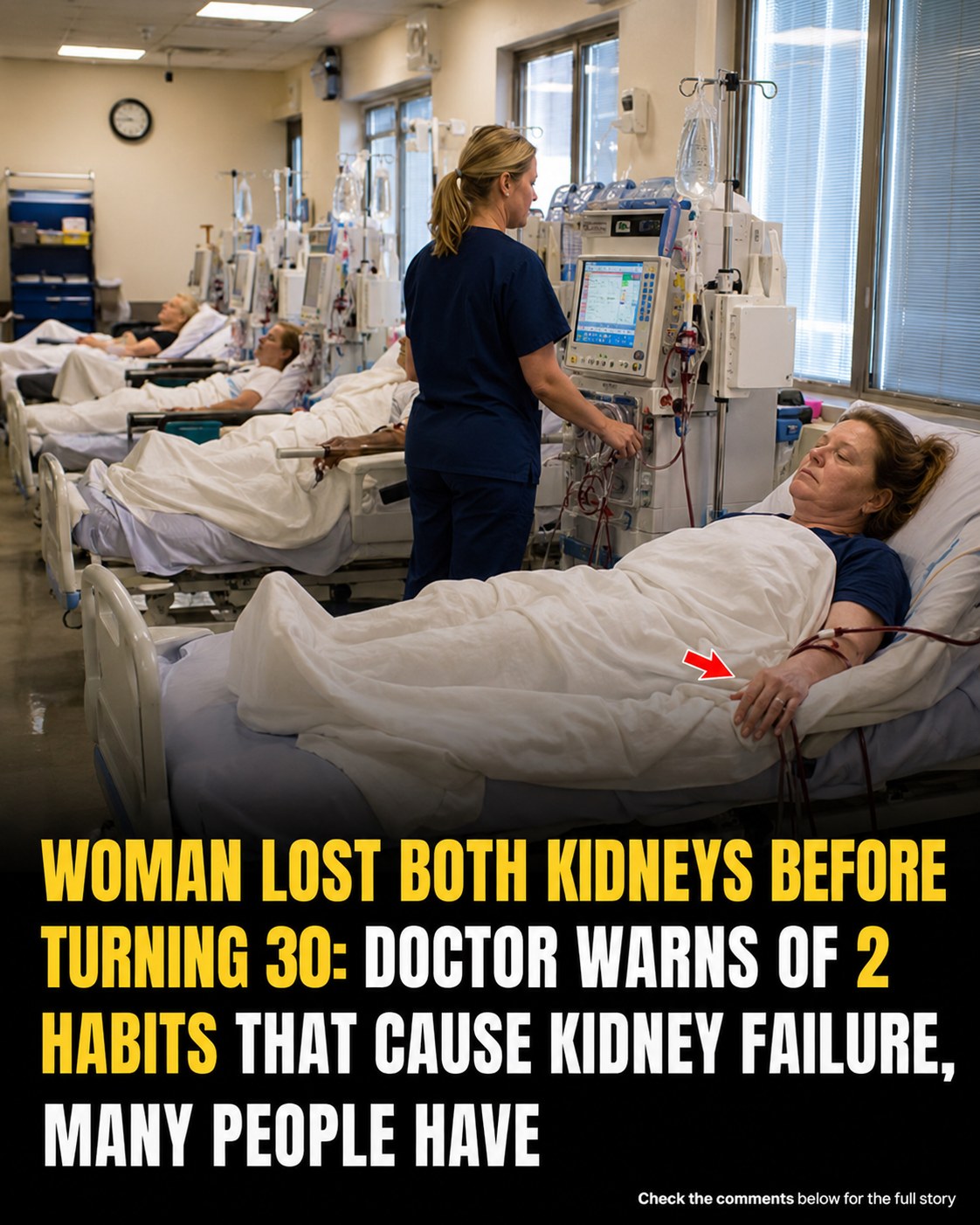
Young adults in their 20s are suddenly facing kidney failure at rates that shock doctors and patients alike, turning what was once seen as an older person’s condition into a modern health crisis that hits hard during prime years of life. The constant fatigue, unexpected medical bills, and fear of long-term dialysis can shatter confidence, derail careers, and strain relationships when you least expect it. Yet there is hope through everyday choices that support kidney health before kidney failure takes hold – and later in this article you will discover exactly how simple adjustments can make a real difference in protecting yourself.
 The Alarming Rise of Kidney Failure Among Young Adults
Kidney failure is striking young adults more often than ever, with nephrologists worldwide noticing cases in people barely out of their teens. This trend leaves many feeling anxious about their future, wondering how something so serious could appear without warning. Understanding why kidney failure is appearing earlier helps you take control and reduce unnecessary worry about your long-term health.
But here is what makes kidney failure especially concerning for this generation: lifestyles that once seemed harmless are quietly overloading the kidneys over time. Research shows that global rates of chronic kidney issues have climbed steadily, hitting younger groups hardest in places like Vietnam, India, and the United States. The emotional weight of a kidney failure diagnosis in your 20s can feel overwhelming, robbing you of energy and peace of mind when life should be exciting.
Why Two Everyday Habits Are Fueling Kidney Failure
The truth is, kidney failure in young adults often stems from habits that feel normal today. Unbalanced diets packed with protein and processed foods place extra strain on the kidneys, leading to higher levels of waste that must be filtered constantly. Many feel stressed when they realize their quick meals and fitness shakes may actually be contributing to kidney failure risks they never saw coming.
Processed snacks, soft drinks, and high-sodium meals disrupt the body’s delicate balance, making kidney failure more likely even in otherwise healthy young people. Studies suggest these dietary patterns raise blood pressure and inflammation, silently harming kidney function. The frustration of watching your health slip away from choices you thought were harmless adds to the anxiety many young adults experience.
Sedentary routines compound the problem, as sitting for long stretches reduces blood flow and promotes conditions that accelerate kidney failure. Young people glued to screens often ignore how inactivity quietly sets the stage for bigger health issues. This lack of movement can leave you feeling drained and concerned about the future impact on your kidneys.
The Hidden Danger: How Kidney Failure Progresses Silently
Kidney failure often advances without obvious signs, which is why so many young adults feel blindsided by a diagnosis. Early stages can mimic everyday tiredness or minor digestive issues, leading to delayed checks and greater stress when the truth emerges. The fear of discovering kidney failure too late haunts many who simply brush off subtle changes in their body.
Common early clues like swelling, changes in urination, or persistent fatigue are easy to dismiss as stress or poor sleep. Yet ignoring them allows kidney failure to progress, turning manageable situations into serious ones. Recognizing these patterns early can ease the anxiety of wondering what is happening inside your body.
Key Ways Doctors Check for Kidney Failure Risk
Doctors use straightforward tests to monitor kidney health and catch issues before kidney failure advances far. Simple blood work measures how well the kidneys filter waste, giving clear insight into your current status. Young adults who get these checks often feel relieved knowing they are being proactive against kidney failure.
Who Faces Higher Chances of Kidney Failure?
Certain lifestyle choices and backgrounds raise the odds of kidney failure developing earlier than expected. Here are the main risk groups:
- Young adults following very high-protein diets or using muscle-building supplements regularly
- People who take over-the-counter pain relievers frequently without guidance
- Those carrying extra weight or dealing with blood sugar fluctuations
- Individuals with a family history of kidney issues
- Smokers or people exposed to environmental toxins often
Energy drinks and unregulated supplements also play a role in pushing some toward kidney failure, as their ingredients can dehydrate the body and add extra strain. Many young users feel surprised when they learn these popular products may quietly harm kidney health over months or years.
Practical Steps You Can Take Today to Support Kidney Health
The encouraging part is that small, consistent changes can help lower the risk of kidney failure and give you greater peace of mind. Start by focusing on balanced eating that includes plenty of fresh produce and limits processed items. Drinking enough water daily also supports the kidneys in flushing waste more efficiently.
Here are simple daily habits that make a difference against kidney failure:
- Move for at least 30 minutes most days through walking, yoga, or any activity you enjoy
- Cut back on salt, sugary drinks, and excessive red meat while choosing whole foods
- Get your blood pressure and blood sugar checked regularly, even if you feel fine
- Limit unnecessary painkillers and consult a doctor before starting new supplements
- Aim for 7 to 9 hours of quality sleep and find healthy ways to manage daily stress
These steps do not guarantee anything but can help your body function better and reduce worry about kidney failure down the road. Many young adults report feeling more in control and less anxious after adopting them.
A Gentle Reminder to Act Before It Is Too Late
Kidney failure does not have to become your story just because it is appearing in younger people. By paying attention now, you give yourself the best chance to enjoy a full, active life without the shadow of kidney failure hanging over your plans. The choice to prioritize kidney health today can bring real calm and confidence tomorrow.
Frequently Asked Questions About Kidney Failure in Young Adults
What are the first signs that might point toward kidney failure?
Early kidney failure often shows as ongoing tiredness, mild swelling in the legs or eyes, or changes in how often you urinate. These can feel like normal stress, so regular checks help clarify what is happening.
How often should someone in their 20s get tested for kidney failure risk?
Most health experts suggest basic kidney health screenings every 6 to 12 months if you have any risk factors, or at least once a year for peace of mind. Simple blood and urine tests provide clear answers without much hassle.
Can changing my diet and exercise routine really lower chances of kidney failure?
Yes, adopting balanced eating habits and staying active supports overall kidney function and may reduce the likelihood of kidney failure developing early. These changes work best when combined with regular medical follow-ups.
This article is for informational purposes only and is not a substitute for professional medical advice. Always consult your doctor for personalized guidance regarding your kidney health.