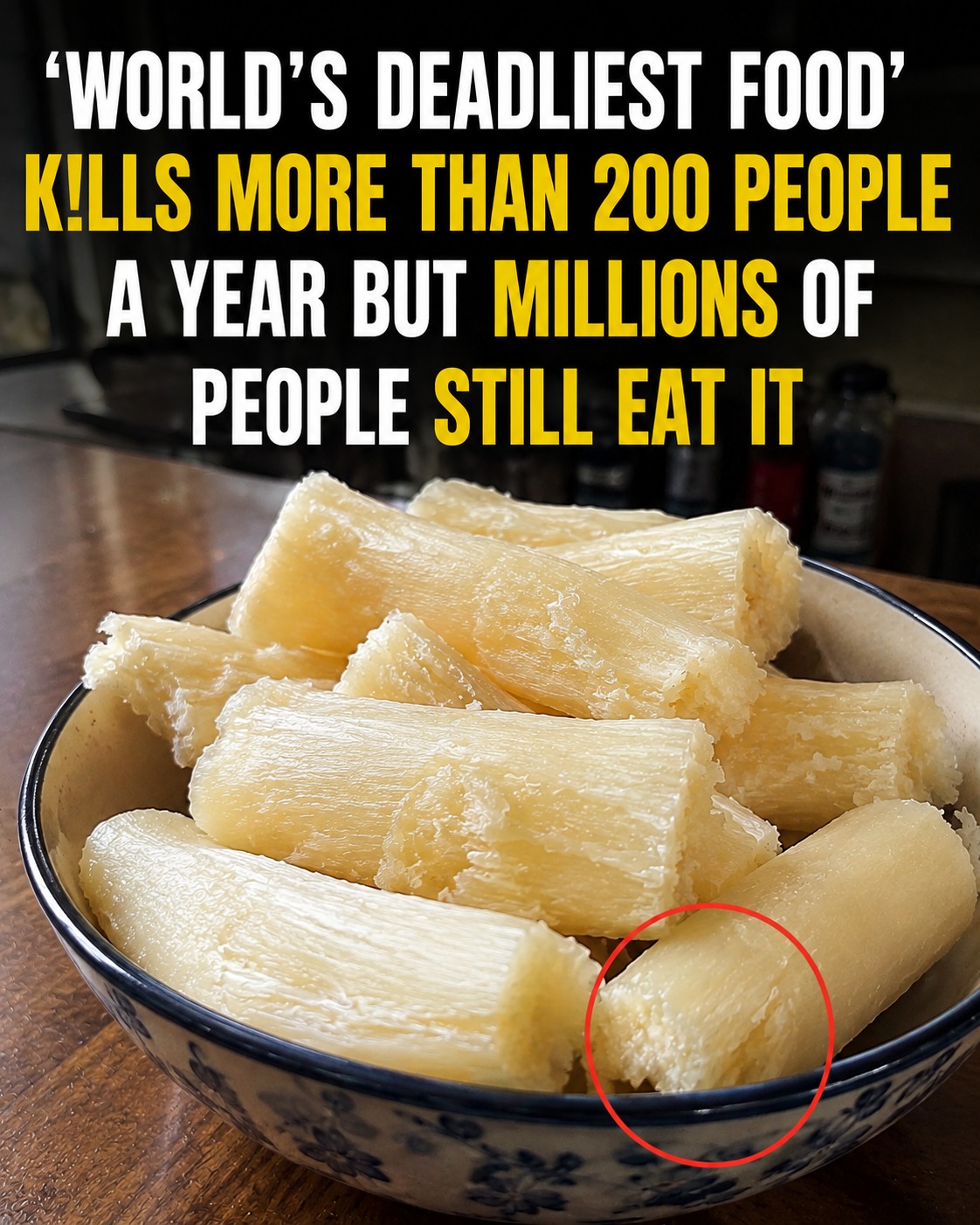
Every year, reports suggest that cassava, a root vegetable central to diets across the tropics, is linked to over 200 deaths due to improper preparation. Yet nearly 500 million people worldwide continue to rely on it as a staple food. The reason? Cassava contains natural compounds that can release cyanide if not handled correctly, turning a nutritious root into a potential hazard. But here’s the reassuring part: with proper techniques passed down through generations, these risks can be virtually eliminated, allowing you to enjoy its benefits safely. In this article, we’ll explore everything you need to know – including a simple process that makes all the difference.
What Is Cassava?
Cassava, also known as yuca, manioc, or mandioca, is a starchy root vegetable native to South America but now grown extensively in Africa, Asia, and the Caribbean. It thrives in poor soil and drought conditions, making it a reliable crop for food security in many developing regions. The root looks similar to a long, brown-skinned potato but has white or yellowish flesh inside.
But that’s not all. Cassava is incredibly versatile – it can be boiled, mashed, fried, or processed into flour for breads and porridges.
Understanding the Potential Risks Associated with Cassava
The “dangerous” label comes from cyanogenic glycosides, natural compounds in the plant that can break down into hydrogen cyanide (HCN) when the root is damaged or eaten raw. Research indicates that consuming improperly prepared cassava can lead to acute poisoning in severe cases or chronic issues with long-term exposure.
This is why health authorities emphasize careful handling. However, the good news is that these compounds are not inevitable threats when the right steps are followed.
Here’s where it gets interesting: the level of these compounds varies significantly between varieties.
Sweet Cassava vs. Bitter Cassava: Know the Difference
There are two main types of cassava:
- Sweet cassava: Lower in cyanogenic compounds, commonly sold in grocery stores in Western countries. Simple peeling and cooking are usually sufficient.
- Bitter cassava: Higher in toxins, more common in certain regions. This variety requires more thorough processing like soaking and fermenting.
Always check with your local supplier if unsure about the variety. The truth is, most commercially available cassava in many places is the sweeter type.
How to Prepare Cassava Safely: Step-by-Step Guide
Preparing cassava properly is straightforward and worth the effort. Here’s a reliable method based on traditional practices and safety guidelines:
- Peel thoroughly: Remove the outer brown bark and the thin layer beneath it. Most of the cyanogenic compounds are concentrated in the skin and just under it.
- Cut into pieces: Slice the peeled root into smaller chunks or grate it. This increases surface area for toxin removal.
- Soak in water: Place the pieces in clean water for at least 24-48 hours (or longer for bitter varieties). Change the water daily. This step helps leach out the compounds.
- Boil or cook thoroughly: Discard the soaking water, then boil in fresh water for at least 20-30 minutes. Always throw away the cooking water.
- Additional steps for safety: For bitter cassava or flour, drying, fermenting, or further processing is recommended. Studies show that fermentation and drying can reduce toxins dramatically.
But wait – there’s more. Traditional methods often combine these steps for maximum safety.
Traditional Processing Methods That Work
In many cultures across Africa and Latin America, people have perfected cassava preparation:
- Fermentation: Grating and allowing natural fermentation reduces toxins while improving flavor and digestibility.
- Drying into flour: After soaking and pressing, drying the pulp creates safe cassava flour (like for garri or fufu).
- Wetting method: A simple post-processing technique where flour is moistened and left to stand before cooking.
These time-tested approaches have allowed communities to safely enjoy cassava for centuries.
The Nutritional Benefits of Well-Prepared Cassava
Once prepared correctly, cassava offers several nutritional perks. It’s a great source of carbohydrates for energy, providing calories in regions where other crops may fail.
Key nutrients include:
- Vitamin C: Supports immune function and acts as an antioxidant.
- Resistant starch: Acts like fiber, promoting gut health by feeding beneficial bacteria.
- Fiber and minerals: Including copper, which aids in energy production.
Research suggests that the resistant starch in cassava may help with digestive health when consumed as part of a balanced diet.
Common Mistakes to Avoid When Handling Cassava
Even with good intentions, small errors can reduce safety. Watch out for these:
- Eating it raw or undercooked.
- Skipping the peeling step or not removing enough of the outer layers.
- Reusing soaking or cooking water.
- Not changing soaking water regularly.
- Consuming large amounts of bitter varieties without proper processing.
By avoiding these pitfalls, you can significantly lower any associated concerns.
Delicious Ways to Incorporate Cassava Into Your Meals
Cassava isn’t just safe when prepared right – it can be downright tasty. Try these ideas:
- Boil peeled chunks and mash them like potatoes.
- Make crispy cassava fries in the oven or air fryer.
- Use cassava flour in gluten-free baking for tortillas or flatbreads.
- Prepare traditional dishes like Brazilian tapioca crepes or African fufu.
Experimenting with these can make healthy eating more enjoyable.
Final Thoughts on Enjoying Cassava Responsibly
Cassava remains an important food source for millions because it is resilient, nutritious when handled properly, and versatile. By understanding its unique properties and following safe preparation methods, you can confidently include it in your diet.
The key takeaway is simple: knowledge and proper technique transform this root from a potential risk into a valuable staple.
Frequently Asked Questions
Can cassava be eaten raw?
No. Raw cassava contains compounds that can be harmful. Always cook it thoroughly after proper preparation.
How long should I soak cassava?
For most types, 24-48 hours with water changes is recommended. Bitter varieties may need longer or additional fermentation.
What should I do if I suspect cassava was not prepared correctly?
If you experience unusual symptoms after consumption, seek medical advice promptly. Prevention through proper methods is the best approach.
Disclaimer: This article is for informational purposes only and does not constitute medical or dietary advice. Consult with a qualified healthcare professional or nutritionist for personalized guidance, especially if you have health concerns or questions about food safety.