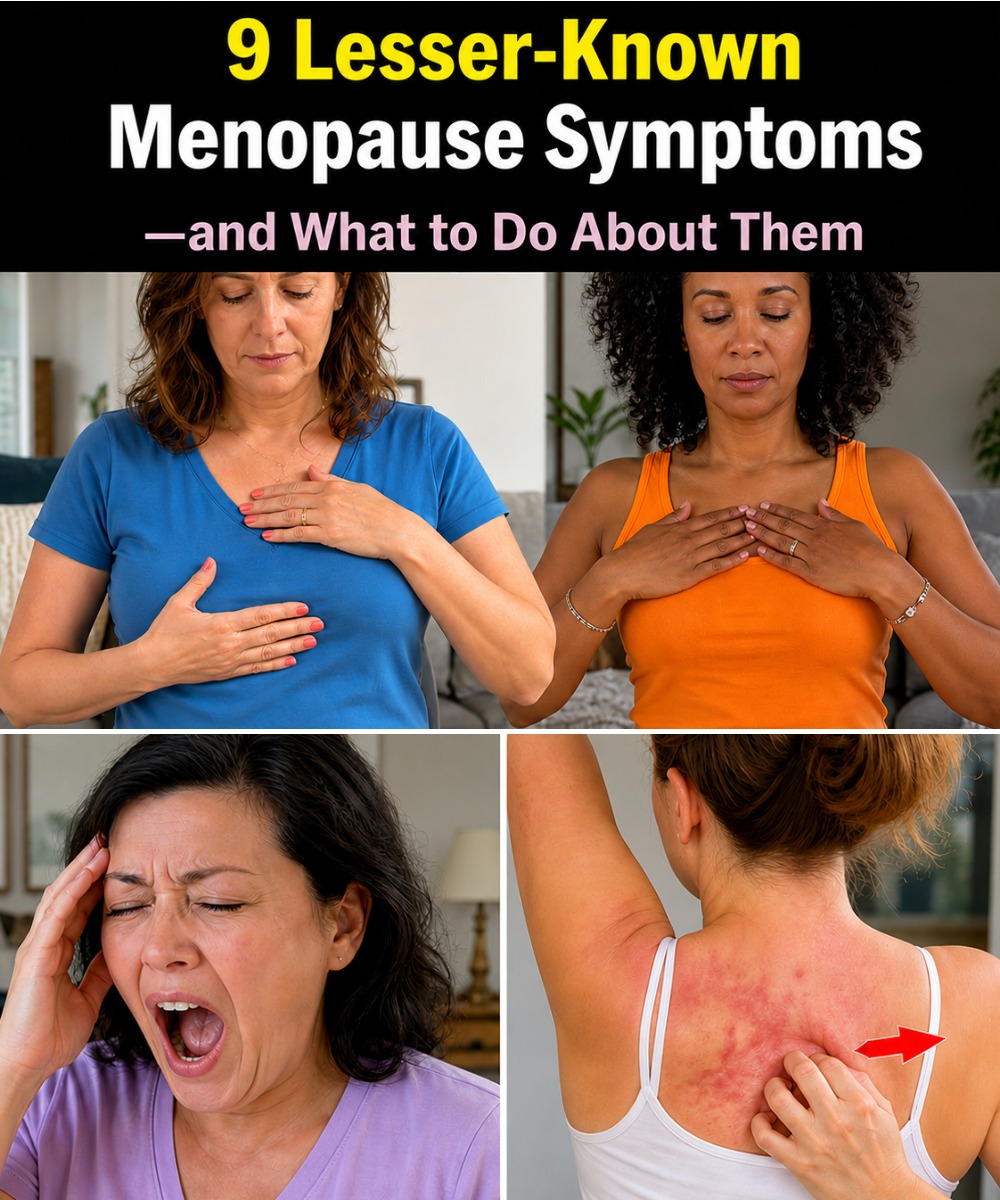
You’re noticing subtle shifts in your body that just don’t feel right. Your periods might be coming at odd times, or you’re dealing with unexplained fatigue, strange sensations, or changes that make you question if it’s just stress or something else entirely. These experiences can be confusing and concerning, especially when they disrupt your daily life, sleep, and even your confidence. The truth is, fluctuating hormone levels during the lead-up to menopause can affect far more than just your cycle, impacting everything from your brain to your senses and joints. But the good news is that understanding these signs empowers you to seek the right support and make changes that help you feel better. Stick around until the end, because there’s one practical strategy that can make tracking and managing these changes much easier than you might expect.
What Is Early Menopause?
Early menopause, also known as premature menopause when it occurs before age 40, happens when a woman’s periods stop and hormone levels decline significantly earlier than the average age of around 51. Perimenopause is the transitional phase where symptoms often begin.
But here’s what many women don’t realize: the drop in estrogen doesn’t just affect your reproductive system. Estrogen receptors are located throughout your body—in your brain, bones, skin, eyes, ears, and more. When levels fluctuate and decline, symptoms can appear in unexpected places.
10 Signs of Early Menopause to Watch Out For
Most people associate menopause with hot flashes and night sweats. While those are hallmark signs, research shows there are many other symptoms driven by declining estrogen that affect multiple body systems. The surprising part? These lesser-known signs often get dismissed as aging or stress.
Here are 10 signs of early menopause to watch out for:
- Irregular Periods: One of the earliest indicators. Cycles may become shorter, longer, heavier, or lighter.
- Brain Fog and Memory Lapses: Struggling to concentrate or remember names? Studies suggest about two-thirds of women experience cognitive changes during this transition.
- Joint Pain and Stiffness: Achy joints not related to injury, due to increased inflammation from lower estrogen.
- Dry Eyes and Vision Changes: Gritty, irritated eyes from reduced tear production.
- Tinnitus or Ringing in the Ears: Up to 19% of menopausal women report this; estrogen influences auditory pathways.
- Voice Changes: Hoarseness or shifts in pitch as vocal cord tissues change.
- Burning Mouth Syndrome or Metallic Taste: A burning sensation or odd taste linked to oral tissue sensitivity.
- Tingling or Electric Shock Sensations: Brief zaps in limbs from nervous system effects.
- Dizziness or Vertigo: Balance issues tied to inner ear changes.
- Changes in Body Odor or Digestion: Shifts in gut bacteria and sweat glands leading to new smells or bloating.
But that’s not the whole story. These symptoms can vary widely from woman to woman.
Why Do These Symptoms Happen?
The hormonal shifts of early menopause create ripple effects across your entire system. Research from sources like the Cleveland Clinic and Mayo Clinic links declining estrogen to inflammation, changes in tissue moisture, and altered nerve signaling.
This is why early menopause isn’t just about reproduction; it’s a whole-body transition. And it gets even more interesting when you consider how these signs can overlap or appear gradually.
Potential Causes and Risks of Early Menopause
Early menopause can result from genetics, autoimmune conditions, medical treatments like chemotherapy, surgery, or have no clear cause in many cases. Lifestyle factors such as smoking may also contribute.
Importantly, experiencing it earlier raises certain long-term health considerations, such as bone density loss and cardiovascular health. That’s why speaking with your healthcare provider is crucial—early awareness helps protect your future well-being.
Actionable Tips to Manage Early Menopause Symptoms
The best part is there are steps you can take right now to support your body during this transition. Many women find real relief through simple, consistent habits combined with professional guidance.
Here are practical steps you can start today:
- Track Your Symptoms: Keep a journal noting your cycle, symptoms, triggers, and sleep. This data helps when talking to your doctor and spots patterns you might otherwise miss.
- Prioritize Sleep Hygiene: Create a cool, dark bedroom and consistent bedtime routine to combat night sweats and fatigue.
- Eat an Anti-Inflammatory Diet: Focus on omega-3 rich foods like fatty fish, flaxseeds, and colorful vegetables. Stay hydrated to ease dry eyes and digestive shifts.
- Incorporate Gentle Movement: Yoga, walking, or tai chi can help with joint pain, balance, dizziness, and mood.
- Manage Stress: Practices like meditation or deep breathing can ease brain fog, mood swings, and even tinnitus.
- Consider Supplements Wisely: Omega-3s for dry eyes or magnesium for some nerve sensations—but always check with your doctor first.
- Stay Connected: Talk to friends or join support groups; you’re not alone in this.
But wait—there’s more. For many women, discussing options like hormone therapy (when appropriate) with a healthcare provider can make a significant difference in symptom relief and long-term health protection.
When to See a Doctor
If you’re under 45 and experiencing these signs, especially irregular periods or other symptoms impacting your quality of life, schedule an appointment. Blood tests can help assess hormone levels, and your provider can rule out other causes while exploring management strategies.
Conclusion
Recognizing the signs of early menopause is the first step toward regaining control over your health and well-being. Whether it’s addressing brain fog, soothing joint aches, or understanding unusual sensations like tinnitus or burning mouth, knowledge is your ally. By taking proactive steps and working with your healthcare team, you can navigate this phase with more ease and confidence. Small changes today can lead to feeling stronger and more vibrant tomorrow.
Have you experienced any of these signs? Share in the comments below—what surprised you most?
FAQ
What is the difference between perimenopause and early menopause?
Perimenopause is the transition phase with fluctuating hormones and symptoms, while early menopause is confirmed after 12 months without a period before age 45.
Can lifestyle changes really help with early menopause symptoms?
Yes, many women report improvements in symptoms through better diet, exercise, sleep, and stress management, though results vary and professional guidance is recommended.
Is early menopause reversible?
In most cases, it’s not reversible, but symptoms can often be effectively managed with medical support and healthy habits.
Disclaimer: This article is for informational purposes only and is not intended as medical advice. Always consult with a qualified healthcare professional for personalized guidance regarding your health concerns.