Endometriosis Warning: Everyday Habits You Should Not Ignore
You quietly wince every month, thinking it is just another painful cycle, but the discomfort lingers longer than it should and begins to interfere with daily life. You tell yourself it is normal, yet deep down something feels off and even a little embarrassing to talk about. Over time, the pain, fatigue, and discomfort start affecting your mood, your relationships, and your confidence. There is a reason your body keeps sending these signals and by the end of this article, you will understand what many women overlook and what small changes may help you feel more in control again.
What Is Endometriosis and Why Does It Matter
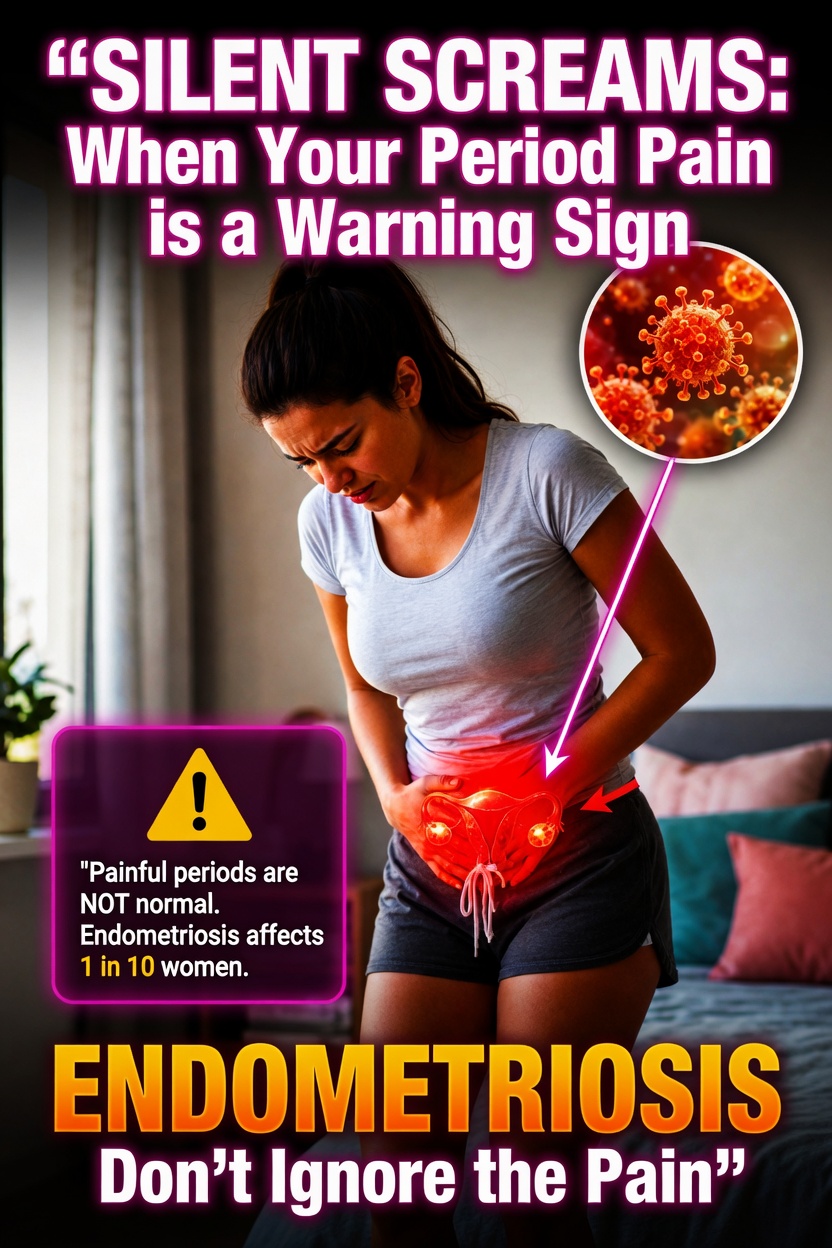
Endometriosis is a condition where tissue similar to the lining of the uterus grows outside of it. Instead of staying where it belongs, this tissue can attach to the ovaries, fallopian tubes, or even other areas in the pelvis.
Here is the key point
This misplaced tissue still behaves like normal uterine lining. It thickens, breaks down, and bleeds with each cycle. But unlike regular menstrual flow, it has nowhere to go.
The result
Inflammation, irritation, and sometimes scarring.
But that is not all
Many women live with this condition for years without realizing it, often assuming their symptoms are just part of normal aging or stress.
Research suggests that millions of women worldwide experience endometriosis, yet awareness remains low, especially among older adults.
Common Signs Your Body May Be Sending

Not every woman experiences the same symptoms. Some feel intense discomfort, while others notice only subtle changes.
Here are common signals to pay attention to
• Persistent pelvic discomfort that does not go away after your cycle
• Pain during daily activities like walking or sitting for long periods
• Unusual fatigue even after rest
• Digestive discomfort such as bloating or irregular bowel habits
• Lower back or leg discomfort linked to your cycle
Here is something surprising
The severity of symptoms does not always match the severity of the condition. Some women with mild cases feel intense pain, while others with more advanced cases feel very little.
This is why listening to your body matters more than comparing with others.
Why Many Women Ignore It for Too Long

Let us be honest
Many women grow up hearing that discomfort during their cycle is normal.
Over time, this belief becomes a habit of ignoring warning signs.
Here are a few reasons this happens
• Cultural silence around women’s health
• Fear of being judged or misunderstood
• Assuming pain is just part of aging
• Busy lifestyle leaving no time for self care
But here is the truth
Ignoring symptoms does not make them disappear. It often allows the condition to quietly progress.
And this is where awareness becomes powerful.
What Happens Inside the Body
To understand why symptoms occur, it helps to visualize what is happening internally.
When the misplaced tissue reacts to hormonal changes, it can cause
• Inflammation in surrounding areas
• Irritation of nearby nerves
• Formation of scar tissue over time
This process may lead to discomfort that feels deeper than typical menstrual cramps.
Here is the interesting part
The body is not failing. It is reacting to something that should not be there.
Understanding this can reduce fear and help you approach the issue with clarity instead of anxiety.
Daily Habits That May Make Symptoms Worse
Now we come to an important point
Certain everyday habits may quietly contribute to discomfort.
Here is a simple comparison table
| Habit | Potential Impact |
|---|---|
| Frequent processed foods | May increase inflammation |
| Lack of physical movement | Slows circulation and recovery |
| Poor sleep routine | Disrupts hormonal balance |
| High stress levels | Intensifies perception of discomfort |
| Ignoring body signals | Delays awareness and action |
But wait
This does not mean you need drastic changes overnight.
Small, consistent adjustments can make a meaningful difference.
Practical Steps You Can Start Today

This is where things get encouraging
You can begin supporting your body with simple, realistic steps.
Follow this easy routine
Step 1
Pay attention to patterns
Notice when discomfort appears and what might trigger it
Step 2
Improve your daily movement
Gentle exercises like walking or stretching can support circulation
Step 3
Adjust your meals
Focus on whole foods such as vegetables, fruits, and healthy fats
Step 4
Prioritize rest
Quality sleep helps your body recover and regulate hormones
Step 5
Manage stress
Simple breathing exercises or quiet time can reduce tension
Here is the key idea
Consistency matters more than perfection.
When Should You Seek Medical Advice
Let me speak to you as a family doctor would
If your discomfort interferes with daily life, it is worth discussing with a healthcare professional.
You should consider seeking advice if
• Pain becomes persistent or worsening
• Symptoms disrupt sleep or routine
• You notice unusual changes in your cycle
• Over the counter solutions no longer help
And remember
Seeking advice is not a sign of weakness. It is a sign of taking responsibility for your health.
The Emotional Side That Many Overlook
But that is not all
Endometriosis is not just physical.
Many women experience
• Frustration from not being understood
• Anxiety about ongoing discomfort
• Emotional fatigue from long term symptoms
Acknowledging this emotional side is important.
Because healing is not just about the body
It is also about how you feel day to day.
Conclusion
Endometriosis is more common than many realize, yet it often remains hidden behind everyday discomfort that women learn to tolerate. The body has its own way of communicating, and those signals deserve attention, not dismissal. By recognizing symptoms early, adjusting daily habits, and seeking guidance when needed, you can take meaningful steps toward feeling more balanced and in control.
And here is the open loop we promised
Sometimes the smallest daily habit you change first is the one that brings the biggest relief over time.
Frequently Asked Questions
Is endometriosis a normal part of aging
No. While discomfort can increase with age, persistent or severe symptoms are not something to ignore.
Can lifestyle changes really help
They may not remove the condition, but they can support overall well being and reduce discomfort for many individuals.
Should I be worried if I only have mild symptoms
Not necessarily, but it is still important to monitor patterns and discuss concerns with a healthcare professional if symptoms change.
Disclaimer
This article is for informational purposes only and does not replace professional medical advice. Always consult a qualified healthcare provider regarding any concerns about your health