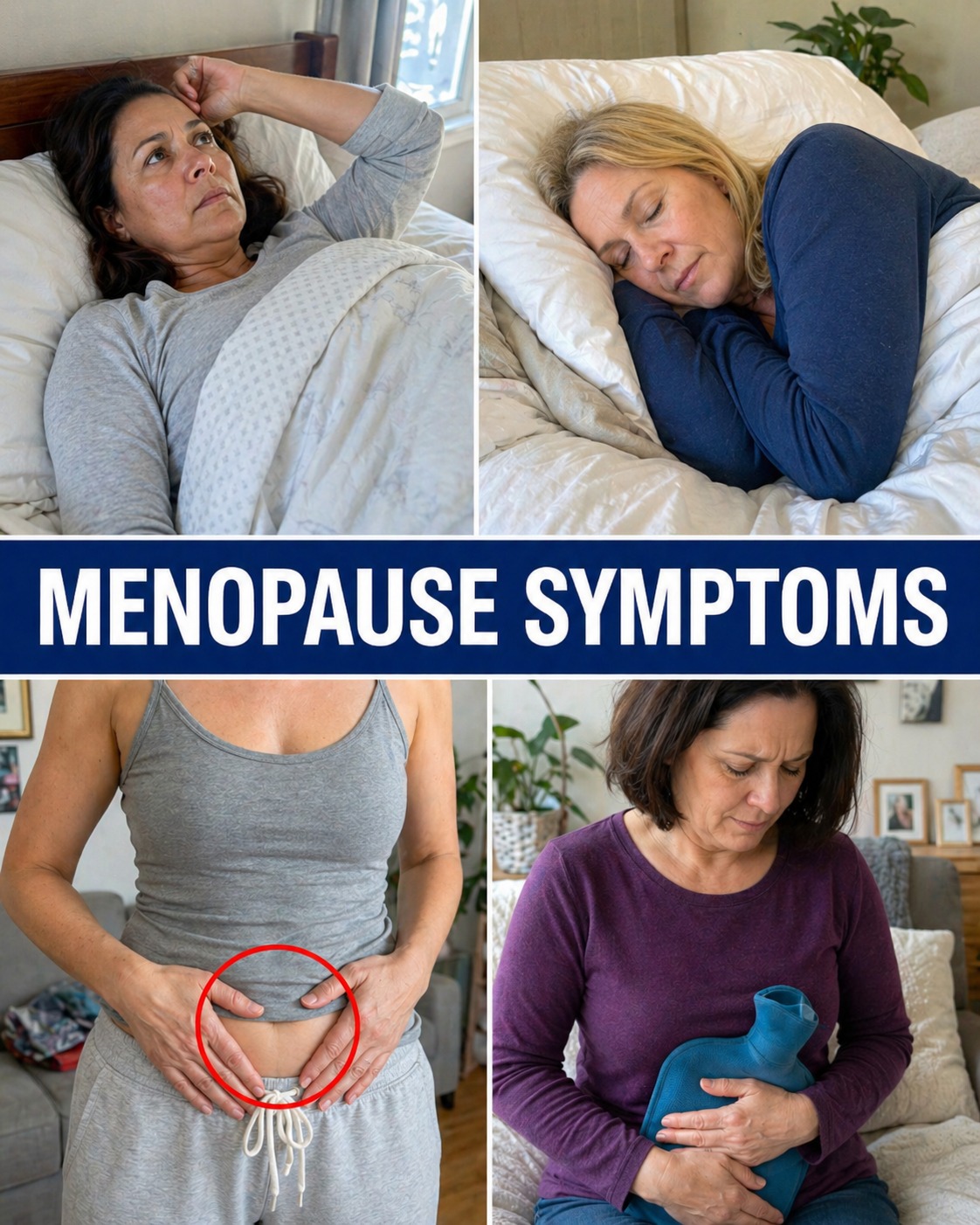
You’re noticing your periods coming at odd times or waking up feeling overheated and exhausted, but you brush it off as stress or a busy life. These subtle shifts can start affecting your energy, confidence, and even relationships, leaving you frustrated and searching for answers. The truth is your body is signaling the start of perimenopause—the natural transition into menopause—and ignoring it only makes the journey harder. But here’s the empowering part: spotting these 9 surprising signs early can help you regain control and navigate this phase with confidence. And stick around until the end—you’ll discover simple, effective strategies that many women swear by to ease the symptoms and feel more like yourself again.
What Is Perimenopause and Why Do These Signs Appear?
Perimenopause typically begins in your 40s (sometimes earlier) as estrogen and progesterone levels start to fluctuate and eventually decline. This hormonal shift is completely natural, but it can trigger a wide range of changes because these hormones influence everything from your reproductive system to your brain, skin, and metabolism. According to the North American Menopause Society (NAMS), most women experience some symptoms during this transition, yet many are caught off guard because the signs can be subtle or mimic other life stressors.
The good news? Understanding what’s happening removes the mystery and lets you take proactive steps.
The 9 Surprising Signs You’re Entering Menopause
Here are the clues that often fly under the radar. Each one is backed by medical consensus from sources like Mayo Clinic and NAMS, and many women report them long before they expect “classic” menopause symptoms.
1. Irregular Periods
Your cycle that was once clockwork suddenly becomes unpredictable—shorter, longer, heavier, or lighter. You might skip months entirely or spot between periods. This is often the very first sign because ovulation becomes erratic as estrogen levels swing. Many women are surprised because they assume menopause means periods simply stop cold turkey.
2. Hot Flashes
A sudden wave of intense heat sweeps over your face, neck, and chest, often followed by sweating and flushing. These can last from 30 seconds to several minutes and strike at any time. Research shows fluctuating estrogen affects your body’s temperature regulation center in the brain. What surprises most women? They can start years before your last period.
3. Night Sweats
Similar to hot flashes but happening while you sleep, leaving you drenched and wide awake. You might change sheets multiple times a night. Night sweats are essentially hot flashes that disrupt your sleep cycle and are strongly linked to hormone changes. But here’s what most don’t realize: they can appear even if you’ve never had daytime hot flashes.
4. Mood Swings
One minute you’re fine, the next you’re irritable, tearful, or anxious over small things. These emotional rollercoasters happen because estrogen influences serotonin, the “feel-good” brain chemical. Studies confirm mood changes are common in perimenopause, yet many women blame work stress or family demands instead of hormones.
5. Persistent Fatigue
You feel exhausted even after a full night’s sleep, as if your energy battery never fully charges. This fatigue often stems from disrupted sleep, hormone fluctuations, and the body working harder to adapt. The surprising part? It can hit even if you’re eating well and exercising regularly.
6. Vaginal Dryness
You notice discomfort, itching, or dryness during intimacy that wasn’t there before. Declining estrogen thins the vaginal tissues and reduces natural lubrication. Many women are embarrassed to mention it, yet it’s a very common and treatable clue of perimenopause.
7. Unexpected Weight Gain Around the Middle
Pounds seem to settle around your waist despite no major changes in diet or exercise. Lower estrogen slows metabolism and shifts fat storage toward the abdomen. Research links this to both hormonal changes and age-related muscle loss, but the sudden “menopause belly” still catches many women off guard.
8. Thinning Hair and Dry Skin
Hair becomes finer or sheds more than usual, while skin feels drier and less elastic. Estrogen helps maintain collagen and hair follicle health, so its decline shows up here. The surprise factor is high—many women first notice these changes in the mirror before connecting them to menopause.
9. Sleep Disturbances
You struggle to fall asleep, stay asleep, or wake up feeling unrefreshed—even without night sweats. Hormonal shifts directly affect sleep-regulating brain chemicals. But wait—here’s the part that surprises most women: sleep issues can appear independently of hot flashes and create a vicious cycle with fatigue and mood changes.
Actionable Tips You Can Start Today
Recognizing the signs is the first step. Here’s how to support your body through this transition:
- Track your symptoms — Use a simple journal or app to note cycles, flashes, mood, and sleep for 2–3 months. Share it with your doctor for clearer insights.
- Prioritize sleep hygiene — Keep your bedroom cool, avoid screens 1 hour before bed, and establish a consistent bedtime routine.
- Move your body daily — Combine strength training (to protect muscle and bone) with 150 minutes of moderate cardio per week. Even brisk walks help regulate mood and weight.
- Eat for hormone balance — Focus on whole foods, plenty of vegetables, healthy fats, and calcium-rich options. Staying hydrated also reduces dryness and fatigue.
- Manage stress — Try yoga, deep breathing, or short meditation sessions. These practices have been shown to ease mood swings and improve sleep.
- Stay connected with your doctor — Discuss symptoms openly. They can rule out other causes and explore safe options tailored to you.
Conclusion
Entering menopause is a natural chapter, not the end of vitality. By spotting these 9 signs early, you can move from confusion to confidence and take simple steps that make a real difference in how you feel. Many women report that understanding their body during this time actually leads to greater energy and well-being in the years ahead. You’re not alone—and you absolutely have the power to navigate this transition gracefully.
Frequently Asked Questions (FAQ)
How do I know if these symptoms are menopause or something else?
Track patterns over time and discuss them with your healthcare provider. Blood tests or a symptom review can help rule out thyroid issues, stress, or other conditions.
At what age does perimenopause usually start?
Most women notice changes in their mid-40s, but it can begin as early as the late 30s or as late as the early 50s. Family history and lifestyle factors play a role.
Can lifestyle changes really help?
Absolutely. Studies show that regular exercise, balanced nutrition, stress reduction, and good sleep habits can ease many symptoms and improve overall quality of life during perimenopause.
Disclaimer
This article is for informational purposes only and is not a substitute for professional medical advice, diagnosis, or treatment. Always consult your healthcare provider regarding any health concerns or before making changes to your diet, exercise, or medication routine.