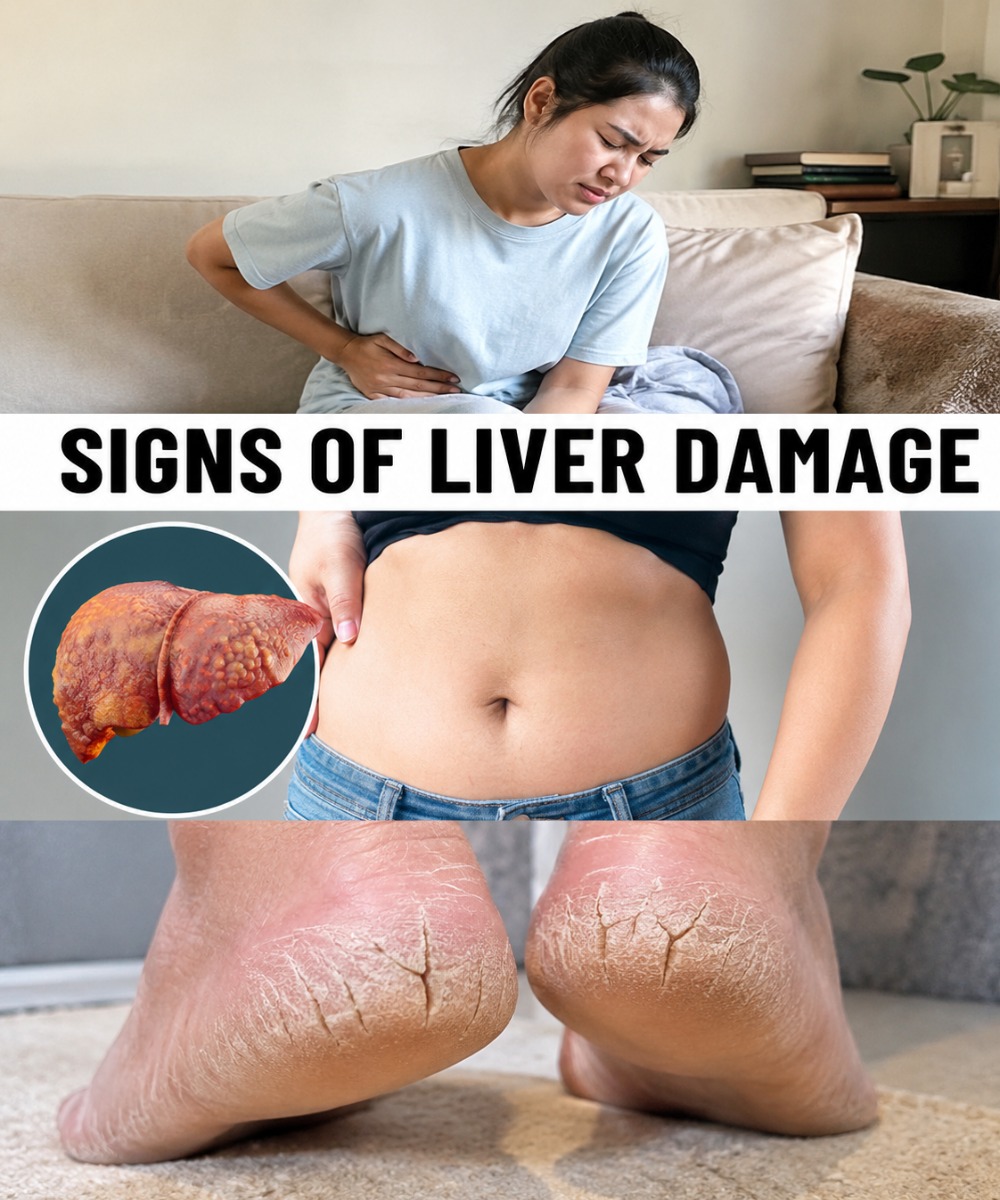
You go through your day feeling a little more tired than usual, maybe notice a strange itch that won’t quit, or spot a tiny change on your skin you brush off as nothing important. These small signals often get ignored because life is busy and we assume they’re just from stress, aging, or a bad night’s sleep. Yet your liver quietly handles hundreds of vital jobs every single day—from filtering toxins to helping digestion—and when it starts struggling, the body sends subtle warnings that can easily be missed. The good news is that catching these early clues gives you the chance to take simple steps that support your liver health before things progress further.
In this post, we’ll walk through 12 weird signs of liver damage that many people overlook. You’ll also discover practical, everyday actions you can start today to help protect this incredible organ—and the one surprising lifestyle shift that could make the biggest difference.
Why Your Liver Matters More Than You Think
Your liver is a true workhorse, processing everything you eat, drink, and breathe. When it’s healthy, you barely notice it. But damage from factors like excess alcohol, certain medications, viral infections, or even carrying extra weight can build up silently over time. Research from major health organizations shows that early liver issues often produce vague or “weird” symptoms that don’t scream “emergency” right away.
That’s why paying attention now matters. Let’s dive into the signs.
The 12 Weird Signs of Liver Damage Most People Miss
1. Persistent Fatigue That Rest Doesn’t Fix
You sleep eight hours and still feel wiped out by midday. This isn’t ordinary tiredness. When the liver isn’t filtering toxins efficiently, they circulate longer and leave you drained. Studies note this as one of the earliest and most common complaints in people with liver concerns.
2. Itchy Skin with No Obvious Rash
An all-over itch that drives you crazy, especially on your palms and soles, can point to bile buildup. Your liver normally clears these substances; when it falls behind, the skin reacts. Many describe it as “internal itching” that creams barely touch.
3. Tiny Spider-Like Veins on Your Skin
Suddenly noticing small red spots with tiny branching lines—often on the upper body or face? These are called spider angiomas. They appear because the liver struggles to balance hormones, causing blood vessels to dilate. Doctors see them frequently in people with liver stress.
4. Reddened Palms (Palmar Erythema)
Your palms look flushed or feel unusually warm, even when the rest of you isn’t. This happens when the liver can’t properly process certain hormones. It’s a classic yet often-overlooked visual clue.
5. Changes in Your Nails
White nails with a pink tip, or nails that curve upward (clubbing), can signal liver trouble. These subtle shifts reflect changes in blood flow and nutrient delivery caused by reduced liver function.
6. Dark Urine That Looks Like Tea or Cola
Even when you’re drinking plenty of water, your urine turns darker than normal. This occurs because excess bilirubin—a waste product the liver normally removes—spills into the urine instead.
7. Pale or Clay-Colored Stools
If your bowel movements suddenly look lighter than usual, bile flow may be blocked or reduced. Healthy bile gives stool its brown color; less bile means paler results.
8. Easy Bruising or Bleeding from Minor Bumps
You notice bruises appearing for no clear reason, or small cuts take forever to stop bleeding. The liver makes proteins that help blood clot—when production drops, even everyday knocks leave marks.
9. Unexplained Swelling in Your Belly or Legs
A puffy abdomen (ascites) or swollen ankles and feet can develop when the liver can’t manage fluid balance properly. Gravity pulls the fluid downward, making legs look heavy by evening.
10. Brain Fog or Mild Confusion
Forgetting names, struggling to focus, or feeling “off” mentally isn’t always just aging. Toxins that the liver would normally clear can affect brain function, creating a foggy feeling some people describe as “cotton wool in the head.”
11. A Strange Sweet or Musty Breath
Known medically as fetor hepaticus, this odd breath odor comes from changed metabolism of substances in the gut and liver. It’s subtle but noticeable to others—and often dismissed as poor dental hygiene.
12. Sudden Loss of Appetite or Unexplained Weight Changes
Food loses its appeal, or you drop pounds without trying. The liver plays a key role in metabolism and digestion; when it’s stressed, hunger signals get disrupted.
But here’s what most people don’t realize: these signs rarely appear alone. Spotting even two or three together is worth a conversation with your doctor.
What Increases Your Risk of Liver Damage?
Several everyday factors can put extra strain on your liver. Here’s a quick list:
- Regular alcohol use
- Carrying extra weight around the middle
- Long-term use of certain over-the-counter medications
- Exposure to toxins or certain viruses
- Diets high in processed sugars and fats
5 Simple Steps You Can Take Today to Support Your Liver
You don’t need drastic changes to start helping your liver. Try these practical actions:
- Cut back on alcohol — Even moderate drinking adds up over time.
- Eat more fiber-rich vegetables — Leafy greens, broccoli, and Brussels sprouts help the liver’s natural detox pathways.
- Stay hydrated — Water helps flush waste and keeps everything moving smoothly.
- Move your body daily — A 30-minute walk improves blood flow and helps maintain a healthy weight.
- Talk to your doctor before starting supplements — Some herbs show promise in studies, but they aren’t right for everyone and can interact with medications.
Small, consistent habits really do add up.
Why Early Awareness Makes All the Difference
Your liver has an amazing ability to regenerate when given the right support. Recognizing these 12 weird signs early means you can partner with your healthcare provider for simple blood tests or imaging that give clear answers. The earlier you act, the better your options become.
FAQ
What are the very first signs of liver damage?
Fatigue, mild digestive changes, and itchy skin often appear before more obvious symptoms like jaundice.
Can liver damage be reversed?
In many cases, especially early on, lifestyle changes and medical care can stop or even improve the condition. Advanced scarring is harder to reverse, which is why early action matters.
When should I see a doctor about possible liver issues?
If you notice several of the signs above lasting more than a couple of weeks, or if you have risk factors like heavy drinking or family history, schedule a check-up. A simple blood test can provide peace of mind.
Disclaimer
This article is for informational purposes only and is not intended as medical advice, diagnosis, or treatment. Always consult your healthcare provider for personalized guidance regarding your symptoms or health concerns. Liver health is best managed under professional supervision.
Ready to give your liver the attention it deserves? Share this post with someone who might benefit, and start with one small change today. Your future self will thank you.