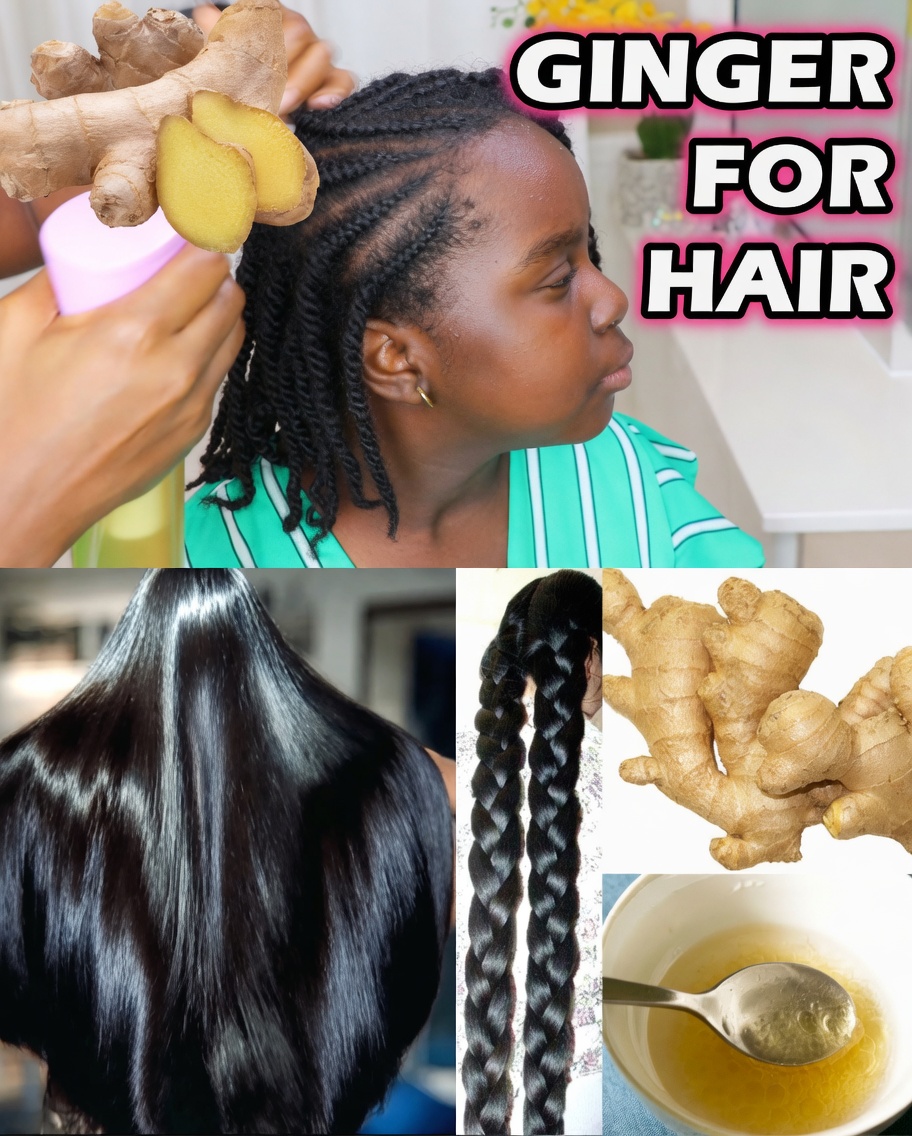
How Ginger May Support Scalp Health and Hair Growth in a Simple Twice-Weekly Routine
Many people notice slower hair growth, thinning strands, or scalp discomfort that affects their confidence and styling choices over time. This can lead to frustration when favorite hairstyles feel less full or when new growth seems to take forever. However, certain natural ingredients have been used in traditional practices for supporting healthier-looking hair. Ginger stands out as one accessible root that fits easily into a simple twice-weekly routine for those seeking gentle scalp support.
Ginger contains gingerol and other bioactive compounds that research associates with improved circulation and antioxidant activity. Ginger has long been valued in traditional wellness for promoting scalp comfort and follicle health. Ginger delivers these benefits in an affordable, easy-to-use form that many people incorporate at home without complicated tools. Ginger is also rich in vitamins and minerals that may contribute to stronger-looking hair when used consistently.
 Why Ginger Is Popular for Supporting Hair Growth Naturally
Ginger’s natural warming properties may help stimulate blood flow to the scalp when applied topically. Ginger also offers anti-inflammatory compounds that some traditional systems use to soothe scalp irritation and support a healthier environment for hair follicles. Ginger has been part of hair care rituals across cultures for generations because of its potential to encourage thicker-looking strands over time.
Many who follow a twice-weekly ginger routine report noticing improved scalp comfort and reduced hair fall after consistent use. Ginger works best when combined with a balanced diet, gentle hair care, and stress management for overall hair wellness. Ginger is a low-cost ingredient that makes natural hair support accessible to almost anyone.
 Simple Twice-Weekly Ginger Scalp Mask for Hair Support
A popular method involves grating fresh ginger and mixing it with a carrier oil like coconut or olive oil for a nourishing mask. Ginger is blended or grated finely, then strained to create a smooth paste that is gentle on the scalp. Ginger should be diluted properly and patch-tested to avoid any temporary warming sensation or irritation.
Massage the ginger mixture gently into the scalp twice a week, leave it on for 20-30 minutes, then rinse thoroughly with a mild shampoo. Ginger masks are easy to prepare fresh each time and can be stored in the refrigerator for short periods if needed. Ginger leaves the scalp feeling refreshed and may support a cleaner, healthier environment for faster-looking growth.
 How to Incorporate Ginger Into Your Twice-Weekly Hair Care Routine
Start with a small amount of ginger to ensure your scalp tolerates the natural warmth it provides. Ginger is most effective when used on clean, damp hair so the compounds can reach the scalp more easily. Ginger can be combined with other natural ingredients like honey or aloe for added moisture if desired.
Many people notice their hair feels softer and appears thicker after several weeks of consistent ginger use. Ginger is gentle enough for most hair types when diluted correctly and rinsed well. Ginger routines are simple to maintain and require only a few minutes twice a week.
 Quick Ginger Hair Support Routine Overview
| Step | Ginger Preparation | Frequency & Tip |
|---|---|---|
| Mask Base | Grate fresh ginger and mix with carrier oil | Twice weekly for best results |
| Application | Gentle scalp massage | Leave on 20-30 minutes before rinsing |
| Aftercare | Mild shampoo and natural conditioner | Follow with your usual hair care |
This table offers a straightforward guide for safely exploring ginger in your hair routine.
 30-Day Ginger Hair Growth Challenge
Week 1: Prepare and apply your first ginger scalp mask twice and note scalp comfort.
Week 2: Continue twice-weekly applications while maintaining gentle hair washing habits.
Week 3: Add a balanced diet rich in proteins and vitamins to complement ginger use.
Week 4: Review any visible changes in hair texture or growth and adjust as needed.
Ginger provides an easy starting point for those wanting to support natural hair growth at home. Ginger is most beneficial when used consistently alongside healthy lifestyle habits.
Mid-Article Check-In on Ginger for Hair Wellness
- How often do you currently use natural ingredients like ginger in your hair care?
- Which benefit of ginger for hair interests you most?
- On a scale of 1–10, how ready are you to try a twice-weekly ginger scalp mask?
Wrapping Up the Traditional Use of Ginger for Hair Growth Support
Ginger offers a simple, natural option for supporting scalp health and encouraging stronger-looking hair when used twice weekly. Ginger has been treasured in traditional hair care for its warming and nourishing properties that may promote better follicle environment. Combining ginger with proper nutrition, gentle styling, and regular trims creates a well-rounded approach to healthier hair.
You now have practical guidance on using ginger for hair support at home. Start small, stay consistent, and share this with anyone looking for natural hair care ideas.
FAQ About Ginger for Hair Growth
How does ginger support hair growth in traditional routines?
Ginger contains compounds that may improve scalp circulation and reduce inflammation, creating a healthier environment for hair follicles.
Is ginger safe for all hair types?
Ginger is generally well-tolerated when diluted, but always perform a patch test and consult a professional if you have sensitive scalp or existing conditions.
How long until I may see results from ginger?
Many people notice scalp comfort and improved hair texture within a few weeks of consistent twice-weekly use, though individual results vary.
This article is for informational purposes only and does not constitute medical advice. Always consult your healthcare provider or dermatologist before trying new hair treatments, especially if you have scalp conditions, allergies, or hair loss concerns.
Image Placeholder 8: peaceful home hair care scene with fresh ginger ingredients and a relaxed setting, warm inviting tones, no text no watermark no logo