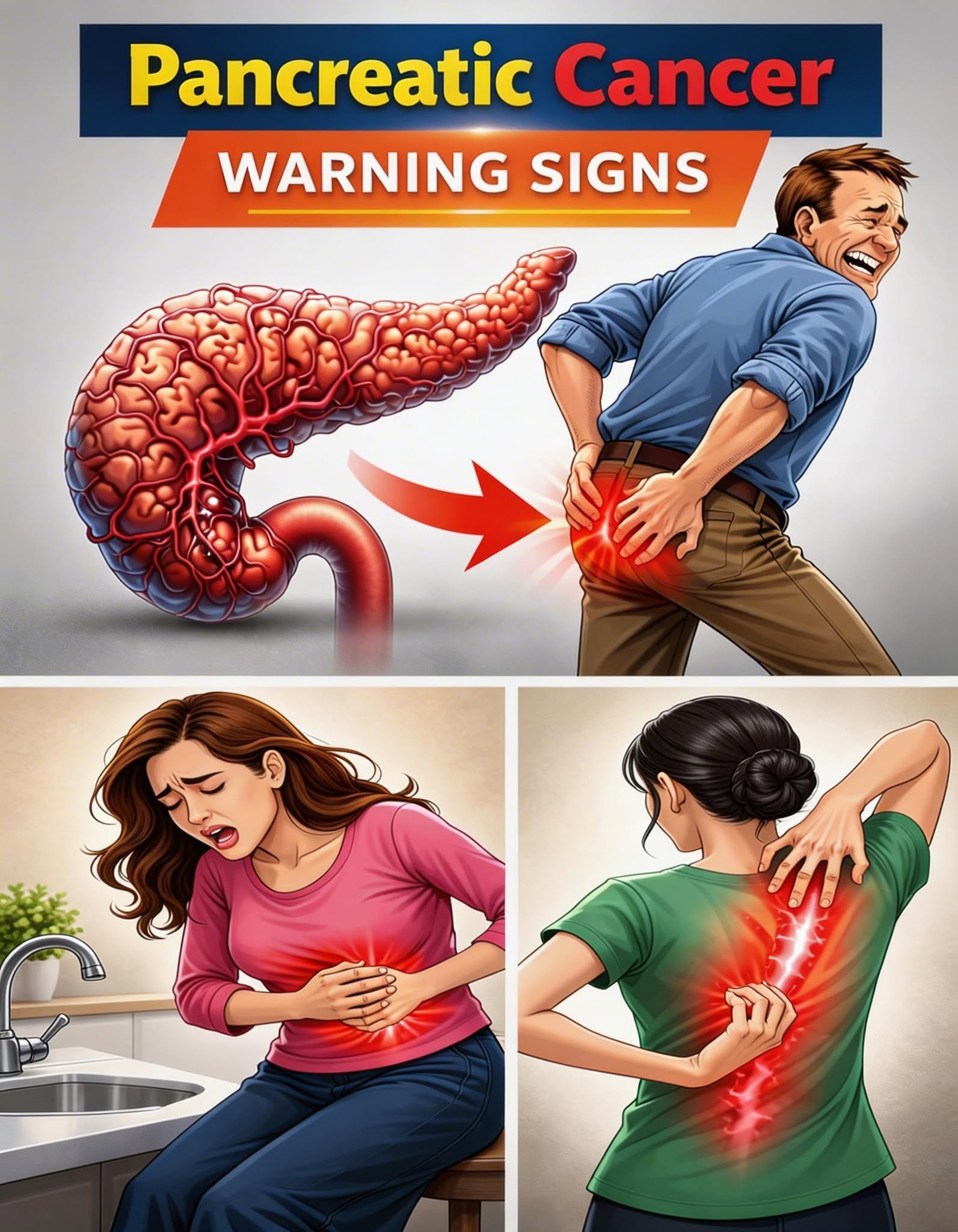
Pancreatic cancer often starts with quiet changes that blend into everyday life, leaving many people brushing off persistent discomfort as nothing serious. These overlooked signals can create growing worry and stress when they linger without clear explanation. The encouraging part is that spotting them sooner opens the door to meaningful conversations with your doctor. And here is the part most people miss entirely: one unexpected sign that could change how you view your daily routine forever.
Why Recognizing These Signs Early Makes a Real Difference
Pancreatic issues tend to stay silent until later stages, according to information from the Mayo Clinic and American Cancer Society. This delay happens because the pancreas sits deep in the body, so symptoms only appear when something shifts noticeably. Understanding common patterns helps you stay proactive without jumping to conclusions. Research shows that many of these signs have other, far more common explanations like digestive upset or stress, yet paying attention empowers better health choices.
The 10 Warning Signs to Watch For
Here is a clear breakdown of the most frequently discussed indicators. Remember, having one or more does not mean anything specific on its own. Always discuss concerns with a healthcare professional for proper guidance.
1. Persistent Belly or Back Pain
Many people first notice a dull ache in the upper abdomen that spreads to the sides or back. This discomfort can feel worse after eating or at night and may come and go at first. The American Cancer Society notes that pain in the body or tail of the pancreas often presses on nearby nerves or organs. But wait, this is just the beginning of how the body tries to send messages.
2. Unexplained Weight Loss and Poor Appetite
Sudden drops in weight without trying often pair with a lack of interest in food. You might eat less yet feel full quickly. Mayo Clinic experts point out this pattern appears in many cases because the body’s normal processes change. And here is where things get interesting: this sign frequently overlaps with others.
3. Yellowing of the Skin and Eyes (Jaundice)
Yellow tint in the whites of the eyes or skin stands out clearly. It happens when bile flow gets blocked, a detail highlighted by both major health organizations. This visual change can develop gradually and often brings other clues along with it.
4. Dark Urine
Urine turning tea-colored or brown can be an early hint of bilirubin buildup. The American Cancer Society explains this occurs before skin changes become obvious in some people. It feels surprising how something so simple can signal a shift inside.
5. Light-Colored or Greasy Stools
Stools that look pale, clay-colored, or float in the toilet because they contain undigested fat deserve attention. Blocked bile prevents normal digestion, creating this distinctive look. Many people notice this change during routine bathroom habits.
6. Itchy Skin
An unexplained itch, especially on the back, arms, or legs, can result from bilirubin irritating the skin. The image you may have seen often shows someone reaching for their upper back or shoulder area exactly for this reason. It feels relentless and can disrupt sleep.
7. Nausea and Vomiting
Feeling queasy or vomiting after meals happens when pressure affects the stomach area. The Mayo Clinic lists this among common digestive shifts. It might start mild but grow stronger over weeks.
8. Ongoing Fatigue and Weakness
A deep tiredness that rest does not fix often appears alongside other signs. The American Cancer Society describes it as a lack of energy unrelated to activity levels. But that is not the full picture yet.
9. New or Worsening Diabetes
Sudden diabetes in someone over 50, especially with weight loss, sometimes links to pancreatic changes. Blood sugar that becomes harder to control in existing cases raises a flag too. Studies referenced by health experts connect this to insulin-producing cell effects.
10. Blood Clots in the Legs or Arms
Swelling, redness, or pain in a limb can signal a clot, sometimes called deep vein thrombosis. The American Cancer Society notes this as an occasional first clue. It serves as a reminder that the body communicates in multiple ways.
But that is not all — these signs frequently appear together. For example, jaundice often travels with dark urine, pale stools, and itchy skin. Paying attention to patterns rather than single moments helps you see the bigger picture.
Other Digestive and Physical Changes Worth Noting
- Changes in bowel habits that last more than a few weeks
- Feeling full quickly even after small meals
- Mild depression or mood shifts that seem unexplained
- Swelling in the gallbladder area that a doctor might detect during an exam
5 Simple Steps You Can Take Right Now
If any signs feel familiar, here is what health professionals recommend doing next:
- Keep a short symptom journal noting when each issue started and what makes it better or worse.
- Schedule a check-up with your primary doctor and share the list openly.
- Ask about basic blood work or imaging if symptoms continue for more than two weeks.
- Focus on balanced eating and gentle movement while waiting for answers.
- Bring a trusted family member to appointments for extra support and note-taking.
These steps come straight from general medical guidance and put control back in your hands without any guarantees.
Why These Signs Often Get Missed
Life moves fast, and busy schedules make it easy to ignore small changes. Research from leading cancer organizations shows that early pancreatic concerns rarely cause dramatic red flags at first. That is why the open loop from earlier matters — the sign that surprises most people is the sudden itch or dark urine that seems unrelated at first glance. Connecting those dots can lead to earlier conversations.
What You Can Do to Support Your Overall Well-Being
While no single habit prevents every health challenge, small daily choices add up. Stay hydrated, eat colorful vegetables, limit processed foods, and keep up with regular movement. Most importantly, never ignore your body’s quiet messages. The American Cancer Society and Mayo Clinic both stress that open talks with doctors remain the smartest first move.
Frequently Asked Questions
Can these warning signs mean something else entirely?
Yes, absolutely. Most of the time these symptoms come from far more common issues like gallstones, infections, or simple digestive changes. Only a doctor can sort out the real cause through proper testing.
How soon should I contact my doctor if I notice one or two signs?
If symptoms last longer than two weeks or start affecting daily life, reach out promptly. Early conversations bring peace of mind even when results are reassuring.
Are there tests that can check for these concerns quickly?
Yes, doctors often start with blood tests, ultrasound, or CT scans. These tools help create a clear picture without jumping to conclusions.