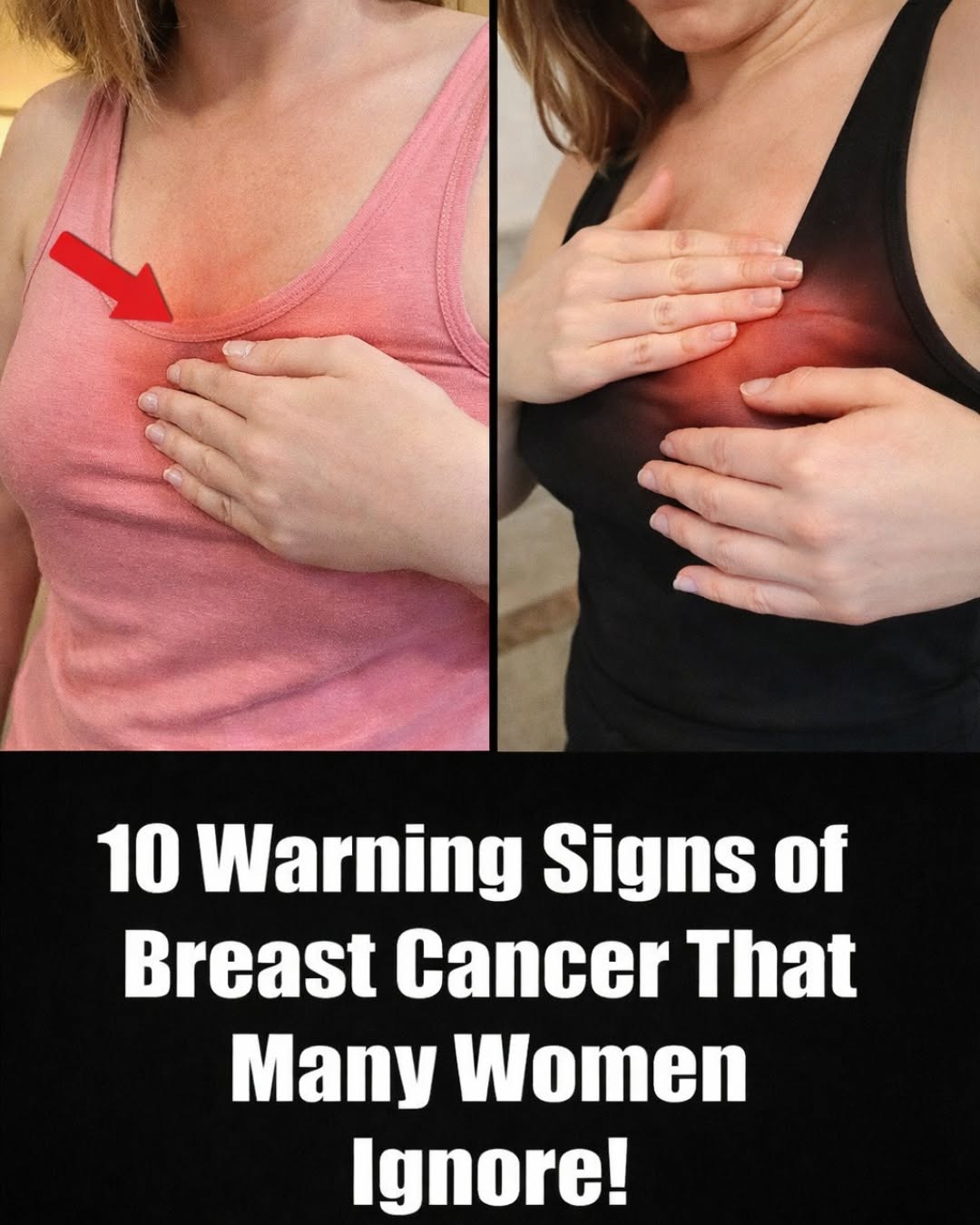
Noticing a change in your breasts can be scary and confusing for any woman. Many of us brush off small differences as part of normal hormonal shifts or aging, hoping they’ll go away on their own. But ignoring these signals might mean missing an opportunity for early attention from a healthcare professional. The good news is that by understanding what to look for, you can take control of your health awareness – and there’s one surprising sign that often gets overlooked until it’s pointed out, which we’ll reveal later in this guide.
Why Breast Awareness Matters More Than You Think
Life gets busy, and it’s completely normal to feel a little overwhelmed when something feels “off” in your body. The truth is, most breast changes are harmless and tied to everyday things like your cycle or weight fluctuations. But here’s the part that hits home: staying familiar with how your breasts normally look and feel gives you confidence and peace of mind.
According to the Centers for Disease Control and Prevention (CDC), being aware of changes is one of the simplest steps women can take. Research from the Mayo Clinic also shows that many women notice something different during routine moments like showering or getting dressed. The key? Don’t panic – just pay attention and know when to chat with your doctor.
But wait, what exactly should you be watching for? Let’s break down the 10 important breast changes that deserve your notice.
The 10 Breast Changes Every Woman Should Know About
These changes can happen for many reasons, and most turn out to be nothing serious. Still, experts at the American Cancer Society recommend discussing any new or persistent ones with your healthcare provider. Here’s what to look for, explained simply.
1. A new lump or mass in the breast or underarm
You might feel a small, pea-sized bump while applying lotion or during a shower. Many women ignore it thinking it’s just a cyst or swollen gland. Yet the CDC lists this as one of the most common changes worth checking. Even if it’s painless, a quick visit can bring real reassurance.
2. Thickening or swelling in part of the breast
One side suddenly feels fuller or heavier than usual. You might blame it on your bra or hormones. But experts note that any unexplained swelling deserves attention, especially if it doesn’t go away after your period.
3. Dimpling or puckering of the breast skin
Your skin might look slightly pulled in, like a tiny dent. It’s easy to miss in the mirror or assume it’s from tight clothing. Research shared by the Mayo Clinic highlights how this subtle texture shift can be an important clue.
But that’s not the only skin change worth noticing…
4. Redness or flaky skin on the breast or nipple
A patch of red, irritated-looking skin that won’t calm down with lotion can feel like a simple rash. Flakiness around the nipple is often brushed off too. The American Cancer Society points out that persistent redness or scaling should be evaluated.
5. Nipple that pulls inward or changes shape
One nipple might suddenly look flatter or turn slightly inward. Many women think it’s just how their body is aging. Yet this retraction is something doctors want to hear about right away.
6. Nipple discharge that isn’t breast milk
A small amount of clear, bloody, or watery fluid can appear without squeezing. It’s tempting to ignore if it happens once. According to the CDC, any unexpected discharge – especially from one breast – is worth mentioning.
And here’s where things get even more important…
7. A change in the size, shape, or contour of one breast
Your favorite shirt suddenly fits differently on one side. You might chalk it up to weight changes or aging. But any noticeable shift that doesn’t match the other breast should prompt a conversation with your doctor.
8. Pain or tenderness in the breast or nipple
A sharp twinge or ongoing ache that lingers beyond your cycle can be unsettling. While many women assume it’s hormonal, persistent pain is one of the changes the Mayo Clinic encourages checking.
9. Skin that looks like an orange peel
The texture becomes thick and pitted, almost like orange rind. This one surprises most women because it develops gradually and feels unrelated to anything obvious. (Here’s that surprising sign we mentioned earlier – many overlook it until a partner or doctor points it out!)
10. Swelling or lumps near the collarbone or armpit
A tender spot under your arm or above your collarbone might seem like a pulled muscle. The CDC includes lymph node area changes as something to monitor closely.
You might be surprised how common it is to notice one or two of these and still feel unsure. That’s why the next step is so empowering.
Simple Steps for Breast Awareness You Can Do at Home
The American Cancer Society no longer recommends strict monthly self-exams as a formal screening tool. Instead, they encourage simple breast awareness – getting to know what’s normal for you. Here’s an easy 5-step routine you can follow once a month (ideally a few days after your period):
- Stand in front of a mirror with your hands on your hips and look for any visible changes in shape, size, or skin.
- Raise your arms overhead and check again for the same things.
- Gently squeeze each nipple to check for discharge.
- Lie down and use the pads of three fingers to feel your breast in small circles, from light to firm pressure.
- Repeat the feeling step while sitting or standing, including the armpit area.
This quick habit takes just a few minutes and helps you spot real differences faster.
When It’s Time to Talk to Your Healthcare Provider
Any change that lasts more than a couple of weeks or feels different from your normal cycle is worth a call. Your doctor might suggest a clinical exam, ultrasound, or mammogram depending on your age and history. Remember, most changes are benign – but knowing for sure brings incredible relief.
Wrapping It Up: Small Changes, Big Peace of Mind
Staying aware of your breasts doesn’t have to be stressful. By noticing these 10 important changes and reaching out when something feels off, you’re taking a proactive step for your overall well-being. The women who share their stories often say the same thing: “I wish I had checked sooner – but I’m so glad I finally did.”
Start today with that simple mirror check. Your future self will thank you.
Frequently Asked Questions
How often should I check my breasts?
Experts suggest making breast awareness part of your routine once a month. Choose the same time each cycle when your breasts feel least tender.
What if a change disappears after a week?
It’s still smart to mention it at your next check-up. Even temporary changes help your doctor understand your body better.